 Save
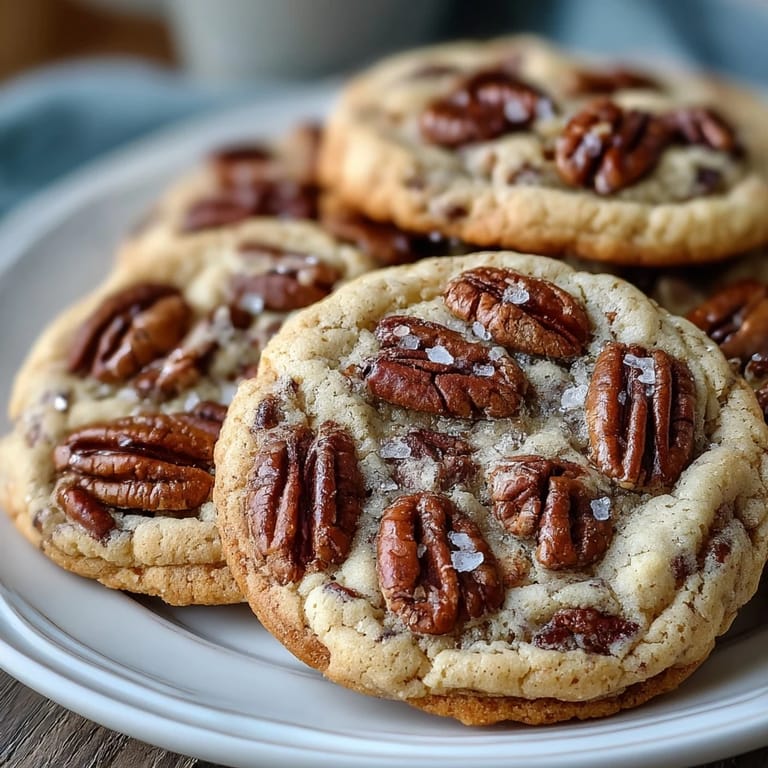
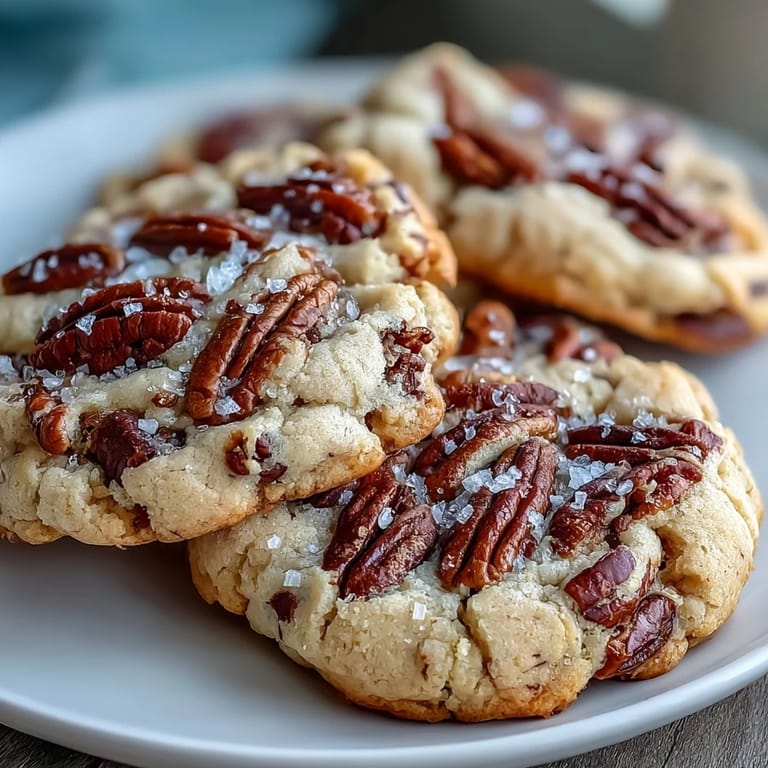
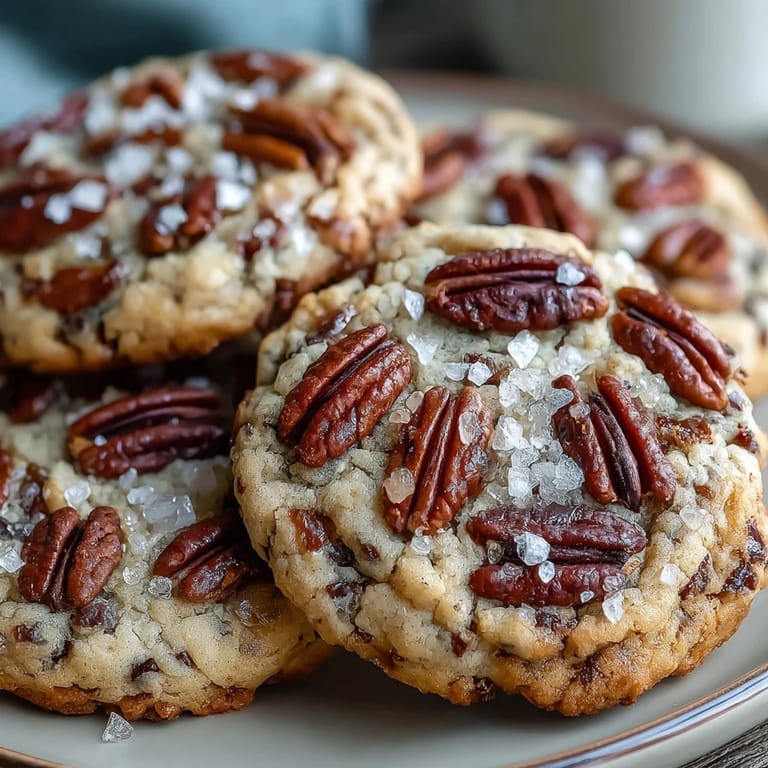
Save There's something about the smell of butter turning golden in a pan that makes you pause mid-conversation and just breathe it in. I discovered these cookies almost by accident one autumn afternoon when I had brown butter cooling on the counter and a craving for something more interesting than the usual chocolate chip. The combination of nutty, toasted pecans with that deep caramel undertone from the browned butter felt like a small revelation, especially when that flaky sea salt hit my tongue.
I made these for my neighbor last winter when she was having a rough week, and I watched her face change the moment she bit into one. She sat down on my kitchen stool and just closed her eyes for a second, and I realized it wasn't about the cookie being fancy or perfect. It was about that moment when something warm and buttery and a little bit salty reminds you that good things still exist.
Ingredients
- Unsalted butter (1 cup): This is your star player here—browning it properly unlocks flavors that regular melted butter simply can't deliver, so don't rush this step or use salted butter by accident.
- All-purpose flour (2 1/4 cups): The backbone of these cookies, and measuring by weight keeps them consistent from batch to batch.
- Baking soda (1 teaspoon): Works with the acidic brown butter and brown sugar to give you that tender, slightly chewy texture.
- Fine sea salt (1/2 teaspoon): Different from the flaky salt you'll sprinkle on top, this dissolves into the dough and balances the sweetness.
- Packed light brown sugar (1 cup): Adds moisture and that subtle molasses depth that pairs beautifully with pecans.
- Granulated sugar (1/2 cup): Lightens things up and helps with spread and structure.
- Large eggs (2), at room temperature: Room temperature eggs emulsify better and create a smoother dough, so pull them out of the fridge while you're browning the butter.
- Pure vanilla extract (2 teaspoons): Don't skimp here—real vanilla makes a noticeable difference in the final flavor profile.
- Pecan halves (1 1/2 cups), toasted and chopped: Toasting them yourself brings out an incredible depth that pre-chopped or raw pecans simply lack.
- Flaky sea salt (for finishing): Maldon or similar crystals add texture and a bright salt note that cuts through the richness.
Tired of Takeout? 🥡
Get 10 meals you can make faster than delivery arrives. Seriously.
One email. No spam. Unsubscribe anytime.
Instructions
- Brown your butter until it smells like autumn:
- Melt the butter in a medium saucepan over medium heat, then keep cooking it, swirling the pan occasionally, for about 5–7 minutes until it foams up, turns a deep golden color, and fills your kitchen with that unmistakable nutty aroma. Pour it into a large mixing bowl and let it cool for about 10 minutes—this is important because warm brown butter can scramble your eggs.
- Toast the pecans while butter cools:
- Preheat your oven to 350°F (175°C) and spread the pecan halves on a baking sheet, toasting them for 6–8 minutes and stirring halfway through so they brown evenly. Once cool enough to handle, chop them into coarse pieces—you want some texture, not pecan dust.
- Cream the cooled butter with both sugars:
- Add the brown sugar and granulated sugar to your cooled brown butter and beat them together until they're well combined and lighter in color. This takes about 2–3 minutes with an electric mixer, and you'll notice the mixture becomes a bit fluffy.
- Bring the eggs in one at a time:
- Add one egg, mix well, then add the second egg and mix again until everything is smooth and emulsified. Stir in the vanilla extract until just combined, and try not to overbeat at this stage.
- Whisk dry ingredients separately:
- In another bowl, whisk together the flour, baking soda, and fine sea salt so they're evenly distributed. This prevents lumps and ensures the baking soda is distributed throughout, which gives you a better rise and texture.
- Bring wet and dry together gently:
- Gradually add the dry ingredients to the wet mixture, stirring just until you don't see streaks of flour anymore. Fold in the toasted pecans at the very end, keeping the dough looking relatively loose and tender.
- Scoop, salt, and bake:
- Line your baking sheets with parchment paper and scoop the dough into about 2-tablespoon mounds, spacing them 2 inches apart because they do spread a little. Give each cookie a tiny pinch of flaky sea salt right on top, then bake for 12–14 minutes until the edges are golden and the centers look just barely set (they'll firm up as they cool).
- Cool with patience:
- Leave the cookies on the baking sheet for 5 minutes to set slightly, then transfer them to a wire rack to cool completely. This cooling time on the sheet is crucial because it prevents them from breaking apart.
 Save
Save These cookies taught me that sometimes the most memorable flavors come from just a few quality ingredients treated with intention. There's no pretense here, just butter, pecans, and salt doing what they do best together.
The Brown Butter Magic
The minute you start browning butter, you're developing flavors that simply don't exist in regular melted butter. Those golden-brown bits at the bottom of the pan (called milk solids) are where all the complexity lives, and swirling the pan keeps everything cooking evenly. The first time I nailed the color and aroma, I understood why so many chefs insist on brown butter for cookies—it's the difference between a cookie that's pleasant and one that's genuinely crave-worthy.
Toasting Makes All the Difference
Raw pecans taste fine, but toasted pecans taste like someone turned up the volume on their flavor. When you toast them in the oven, the heat brings out oils and deepens the nuttiness in a way that feels almost buttery on its own. I learned this the hard way after making a batch with untoasted pecans and wondering why they seemed a bit flat compared to my memory of the first batch.
Why Salt on Top Actually Matters
Using flaky sea salt as a finishing touch instead of just baking salt into the dough creates little pockets of brightness that keep each bite from feeling one-note. The salt crystals don't fully dissolve, so they create a textural contrast and a flavor punch that reminds your palate this is sweet but not cloying. It's a small step that feels fancy but requires almost no extra effort.
- Don't skip the cooling time on the baking sheet—those first 5 minutes are when the structure sets so they don't fall apart when you move them.
- If your cookies spread too much, your dough was too warm or you scooped too generously, so chill next time or use a slightly smaller scoop.
- Store these in an airtight container with a piece of bread to keep them soft, swapping the bread out every few days so it doesn't get moldy.
 Save
Save These butter pecan cookies have become my go-to when I want to bring something that feels personal without being complicated. They're the kind of recipe that makes people feel cared for, one buttery bite at a time.
Recipe FAQs
- → How do I brown butter properly?
Melt butter over medium heat, stirring frequently. Watch for foam forming and then transition to golden brown with a nutty aroma, usually 5–7 minutes. Remove promptly to avoid burning.
- → Why toast the pecans?
Toasting nuts enhances their natural oils and crunch while deepening flavor, providing a richer, nuttier note in the final baked product.
- → Can other nuts be used instead of pecans?
Yes, walnuts are a great alternative offering a different but complementary nutty taste and texture.
- → What is the role of flaky sea salt in these cookies?
Flaky sea salt balances sweetness by adding bursts of savory flavor and a delicate crunch on top of the baked cookies.
- → Should the dough be chilled before baking?
Chilling the dough for 1–2 hours can enhance flavor development and improve texture by solidifying fats for thicker cookies.