 Save
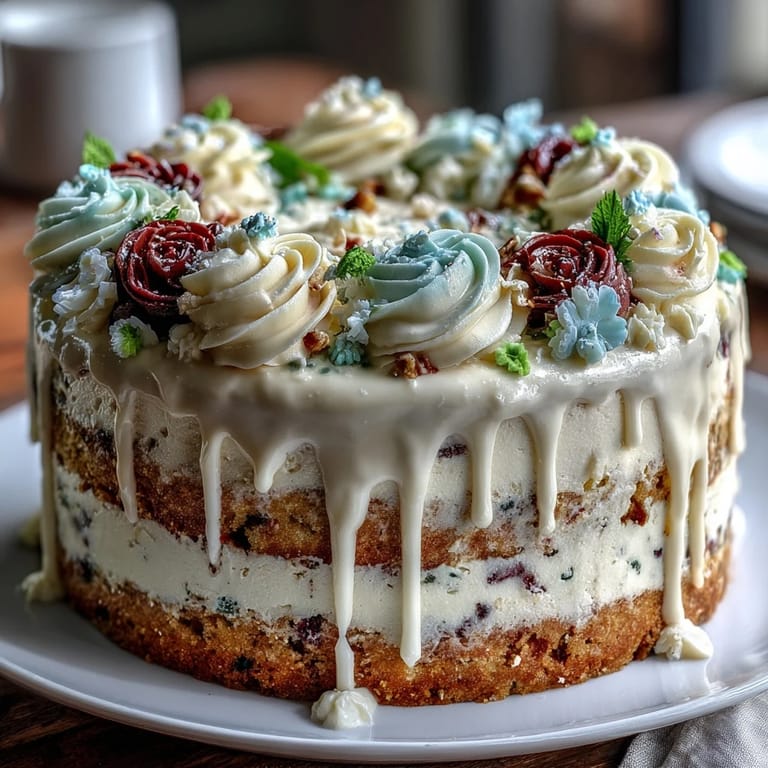
Save My sister called me three weeks before her birthday asking if I could make her a cake that looked like a garden in bloom. I'd never piped flowers before, but something about the challenge excited me—there's a particular kind of magic in watching a blank canvas of buttercream transform into something that makes people smile the moment they see it. This spring birthday cake became my answer, a tender vanilla base that holds up beautifully under layers of pastel buttercream and delicate floral designs. What started as nervous experimentation turned into the kind of recipe I now pull out whenever someone deserves a little extra celebration.
I'll never forget watching my sister's face when she walked into the kitchen and saw that pastel garden cake waiting on the counter. She didn't just eat a slice—she sat there studying the piped petals like they were real, asking which flowers I'd used, completely convinced I'd somehow baked actual blooms inside. That moment, when a homemade dessert becomes a memory rather than just food, is exactly why I keep making this cake.
Ingredients
- All-purpose flour (2 ½ cups): Bring it to room temperature before measuring for the most accurate results, and never sift unless your bag has compacted—most modern flour is pre-sifted.
- Baking powder (2 ½ tsp): This is what gives the cake its tender, delicate crumb, so don't skip it or substitute with baking soda.
- Salt (½ tsp): A pinch of salt amplifies the vanilla flavor and balances the sweetness beautifully.
- Unsalted butter for cake (1 cup): Room temperature butter creams properly with sugar—cold butter won't incorporate air, and your cake will be dense.
- Granulated sugar (2 cups): This dissolves into the batter and creates that light, fluffy crumb texture.
- Large eggs (4): Room temperature eggs emulsify better and create a more uniform batter.
- Pure vanilla extract (1 tbsp): The flavor backbone of this cake—use pure extract, not imitation, for a noticeable difference.
- Whole milk (1 cup): Warmed milk helps bind everything together and keeps the layers soft.
- Unsalted butter for buttercream (1 ½ cups): The foundation of silky, spreadable frosting that holds its shape when piped.
- Powdered sugar (6 cups), sifted: Sifting removes lumps and ensures smooth, lump-free buttercream—this step matters.
- Whole milk for buttercream (¼ cup): Adds creaminess and makes the frosting easier to pipe without becoming greasy.
- Pure vanilla extract (2 tsp): Complements the buttercream's sweetness without overpowering it.
- Gel food coloring in pastels: Gel colors are more concentrated than liquid, so you use less and avoid watery frosting—this is the secret to staying pastel instead of going neon.
- Edible flower petals (optional): These add a final touch of elegance and hint at the floral theme.
Tired of Takeout? 🥡
Get 10 meals you can make faster than delivery arrives. Seriously.
One email. No spam. Unsubscribe anytime.
Instructions
- Get your workspace ready:
- Preheat the oven to 350°F and grease three 8-inch round pans with parchment paper fitted inside. Having everything prepared now means you can move smoothly through the batter stage without rushing.
- Combine your dry ingredients:
- Whisk the flour, baking powder, and salt together in a medium bowl until they're evenly distributed. This distributes the leavening agent throughout the flour for even rising.
- Cream butter and sugar until fluffy:
- Beat room temperature butter with granulated sugar on medium-high speed for 3 to 4 minutes until the mixture is pale, light, and increased in volume. This incorporation of air is what creates the cake's tender crumb—don't rush this step.
- Add eggs one at a time:
- After adding each egg, beat well before adding the next one, then mix in your vanilla extract. Each egg needs its moment to fully emulsify into the butter mixture.
- Alternate wet and dry ingredients carefully:
- Begin with the flour mixture, then add milk, then flour again, alternating until everything is combined. Stop mixing the moment you don't see streaks of flour—overmixing develops gluten and makes the cake tough.
- Divide and bake:
- Pour equal amounts of batter into your prepared pans and smooth the tops. Bake for 25 to 30 minutes until a toothpick inserted in the center comes out clean or with just a few moist crumbs clinging to it.
- Cool with patience:
- Let the cakes rest in their pans for 10 minutes to set slightly, then turn them out onto a wire rack to cool completely. Rushing this step and frosting warm cake will cause your buttercream to slide off.
- Make your buttercream:
- Beat room temperature butter until creamy, then gradually add sifted powdered sugar, milk, vanilla, and salt, beating for 3 to 4 minutes until smooth and fluffy. This gradual addition prevents powdered sugar from flying everywhere and ensures a lump-free frosting.
- Tint your colors with restraint:
- Divide the buttercream into bowls and add gel food coloring one tiny drop at a time, stirring well between additions. Gel colors are powerful—you need far less than you think, and it's easier to add more color than to dilute it if you go too dark.
- Layer and crumb coat:
- Place one cake layer on your serving plate, spread buttercream on top, repeat with the remaining layers, then apply a thin crumb coat of frosting over the entire cake. Chill this for 20 minutes so the cake is stabilized and ready for decoration.
- Decorate with your pastels:
- Fill piping bags with your tinted buttercreams and use various tips to pipe floral designs—petals, roses, dots, whatever feels right. If you're nervous about design, remember that slightly imperfect flowers look more organic and charming than perfectly uniform ones.
- Final chill and garnish:
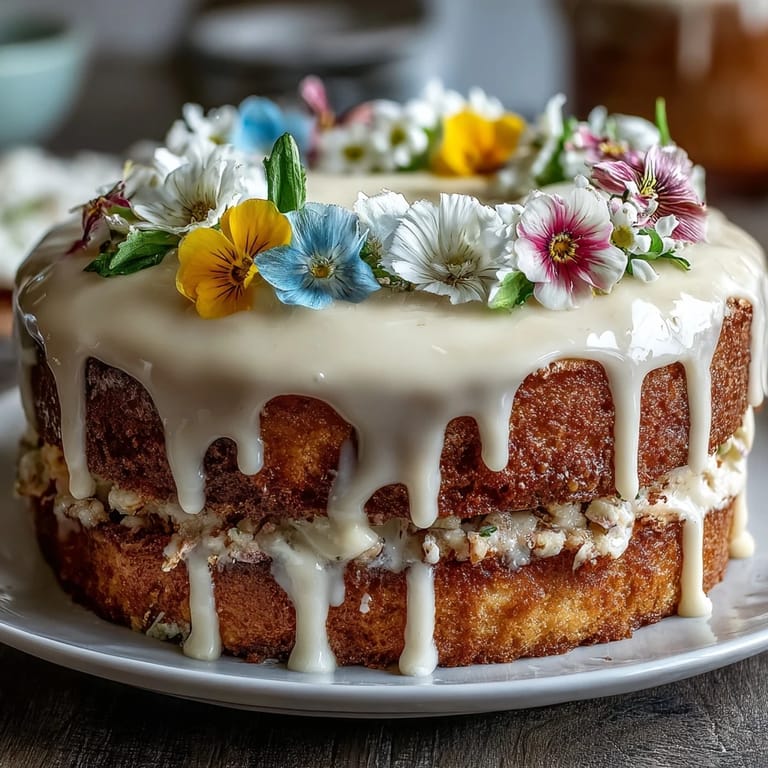
- Chill the decorated cake for 15 to 20 minutes to set the buttercream, then add edible flower petals or sprinkles if desired. This final chill ensures the frosting holds its shape and the decorations stay in place.
 Save
Save There's something about a homemade cake that makes people pause and look at it differently than something store-bought. My neighbor saw the pastel cake cooling on our kitchen counter and immediately asked if I'd buy from a local baker—I think that's the highest compliment a home baker can get.
Flavor Variations to Explore
The vanilla base is intentionally neutral because it lets the visual beauty shine, but your taste buds don't have to stay simple. I've added a tablespoon of lemon extract to the cake batter for spring birthdays, which brightened everything without making it taste like lemonade, and once I swapped half a teaspoon of almond extract in place of some of the vanilla for a subtle nod to Italian cakes. The buttercream is equally flexible—a touch of rose water, a whisper of lavender extract, or even a teaspoon of lavender buds steeped in the milk creates depth that surprises people who expect plain vanilla frosting. Don't overthink it; start small with extracts and taste as you go.
Decorating Without Panic
I learned decorating through trial and error, and I'll spare you some of the error part: piping flowers isn't about precision, it's about confidence and movement. A petal tip and two or three small squeezes create a convincing rose petal, and repeating that motion around a center point makes a rose—wonky roses somehow look more charming than perfect ones. If you're nervous, practice on parchment paper first, let the frosting dry, then scrape it back into the bag and try again. The most important thing is having buttercream that's the right consistency—too soft and it melts, too stiff and it tears; you want it to hold its shape but still pipe smoothly.
Storage and Make-Ahead Strategy
This cake actually improves a day after baking because the layers have time to set and the flavors mellow slightly. You can bake the layers up to three days ahead, wrap them in plastic wrap, and freeze them—they thaw at room temperature in a few hours with no loss of texture. The buttercream can be made two days ahead and stored in an airtight container at room temperature, and you can even frost the cake a full day before the party, keeping it in a cool room or refrigerator. Just pull it out 30 minutes before serving so the buttercream softens slightly and tastes less cold.
- Frozen, unfrosted cake layers keep for up to two weeks; thaw before frosting.
- A fully frosted cake keeps best in a cool room or the refrigerator, covered loosely with plastic wrap so the frosting doesn't stick.
- Cut the cake with a hot, dry knife, wiping it clean between slices for neat, beautiful pieces that show off all your hard work.
 Save
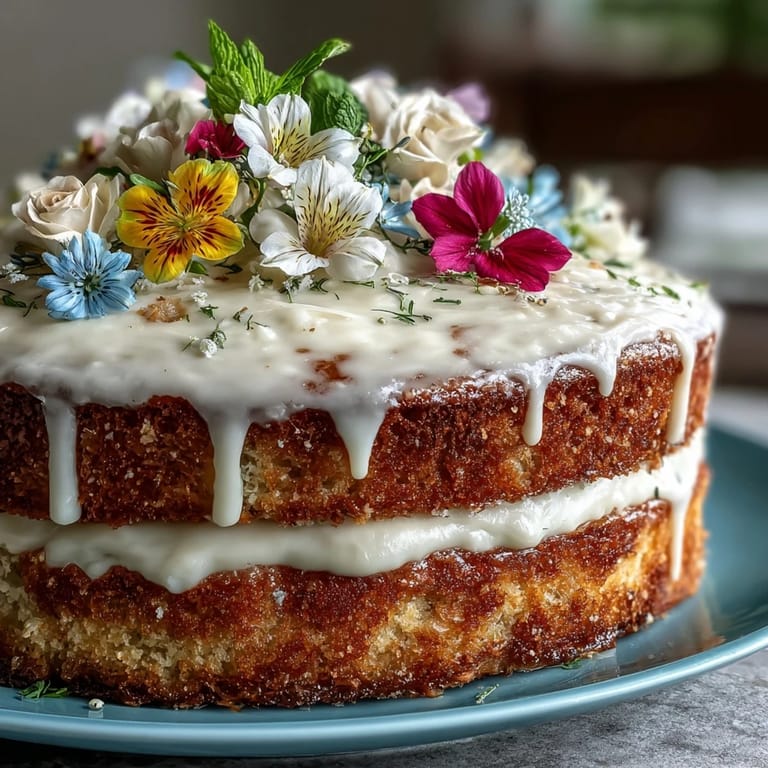
Save This cake became my go-to when someone deserves to feel celebrated, and I hope it becomes yours too. There's real joy in a cake that tastes as beautiful as it looks.
Recipe FAQs
- → What ingredients make the cake tender and moist?
The combination of butter, eggs, and milk creates a rich yet moist batter, while careful mixing prevents overworking the gluten, resulting in a tender crumb.
- → How is the pastel floral effect achieved on the buttercream?
Buttercream is divided and tinted with soft pastel gel colors, then piped with various tips to create delicate floral patterns that mimic spring blooms.
- → Can the floral decorations be customized?
Yes, edible flower petals and sprinkles can be added to match party themes or seasonal aesthetics, enhancing visual appeal.
- → What steps ensure the cake layers bake evenly?
Using three identical pans lined with parchment paper and filling them evenly helps maintain uniform thickness and baking time for consistent layers.
- → Is it possible to add other flavors to the cake batter?
Lemon or almond extracts can be incorporated to enhance flavor depth without altering the cake’s tender texture.