 Save
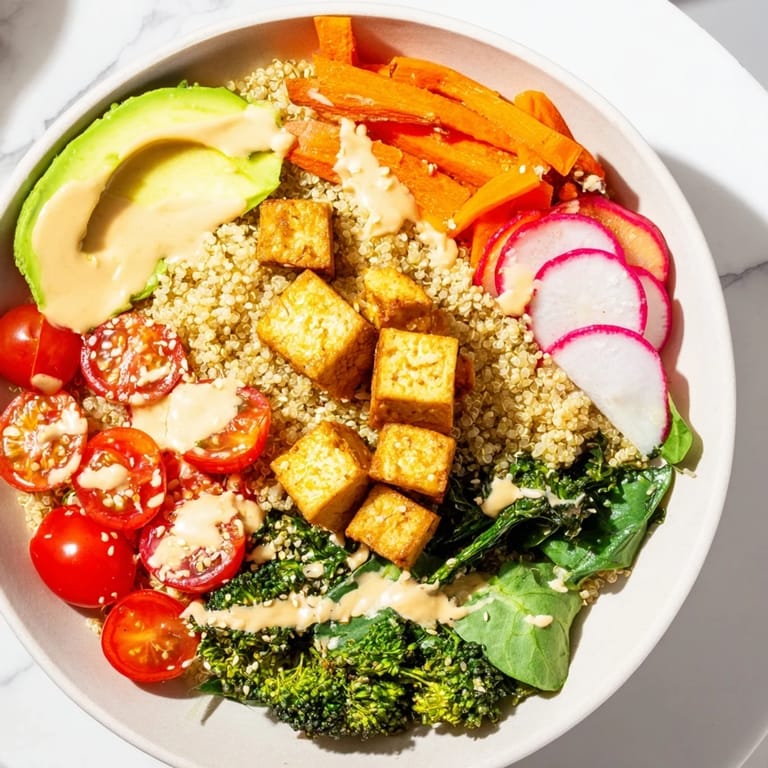
Save I discovered Buddha bowls during a particularly hectic week when I needed meals that looked beautiful but didn't require fussy plating. The genius of these bowls hit me while arranging colorful vegetables in neat sections—suddenly, I wasn't just eating dinner, I was creating something that made me want to slow down and actually taste each component. That simple shift changed how I approached weeknight cooking, turning a quick meal into something I genuinely looked forward to.
My friend Sarah was skeptical about vegetarian dinners until I made her this bowl with crispy baked tofu. She expected bland and wholesome, but the contrast of warm grains, creamy avocado, and that tangy-nutty dressing made her ask for the recipe immediately. That's when I realized these bowls work magic on people who think healthy food has to be boring.
Ingredients
- Quinoa or brown rice: These are your foundation, providing substance and absorbing the dressing beautifully. I prefer quinoa for its slightly nutty flavor and texture, but brown rice works just as well and is more budget-friendly.
- Firm tofu or chicken breasts: Pressing tofu removes excess moisture so it crisps up in the oven instead of steaming. With chicken, slicing it thin helps it cook evenly and pick up a bit of golden color.
- Cherry tomatoes: Halving them keeps the juices contained so they don't make your grains soggy before you eat.
- Shredded carrots: Raw carrots add sweetness and crunch that stays even as the bowl sits for a few minutes.
- Baby spinach: A handful of raw spinach wilts slightly from the warm grains without becoming mushy.
- Broccoli florets: Steaming them just until tender keeps them bright green and gives a satisfying bite without raw veggie harshness.
- Ripe avocado: Add this right before serving so it doesn't brown, and always slice it last so you can feel how perfectly soft it's become.
- Radishes: Thin slices add a peppery snap that cuts through the richness of tahini and avocado.
- Tahini: This sesame paste is the soul of the dressing, transforming simple ingredients into something crave-worthy.
- Lemon juice: Brightness is everything here, balancing the earthiness of grains and vegetables.
- Maple syrup or honey: Just a touch rounds out the dressing so it tastes sophisticated rather than sharp.
- Sesame seeds: Toast them yourself if you can; they taste incomparably better than pre-toasted and add a final flourish of nutty warmth.
Tired of Takeout? 🥡
Get 10 meals you can make faster than delivery arrives. Seriously.
One email. No spam. Unsubscribe anytime.
Instructions
- Start your grains:
- Bring water to a boil, add your grain, reduce heat, and let it simmer gently. Quinoa takes about 15 minutes, brown rice closer to 30, so check your package and set a timer so you don't overcook it into mush.
- Prep your protein with intention:
- For tofu, pat it dry with a clean kitchen towel first so it actually crisps instead of releases steam. For chicken, slice it uniform thickness so every piece finishes cooking at the same time.
- Build your vegetable station:
- Wash and chop as the grains cook so everything is ready when proteins finish. Keep raw vegetables separate from warm ones until assembly so textures stay distinct.
- Create the dressing magic:
- Whisk tahini with lemon juice and a splash of water first to break up the paste, then add remaining ingredients. Taste as you go—tahini can vary in saltiness, so adjust seasoning last.
- Compose your bowl thoughtfully:
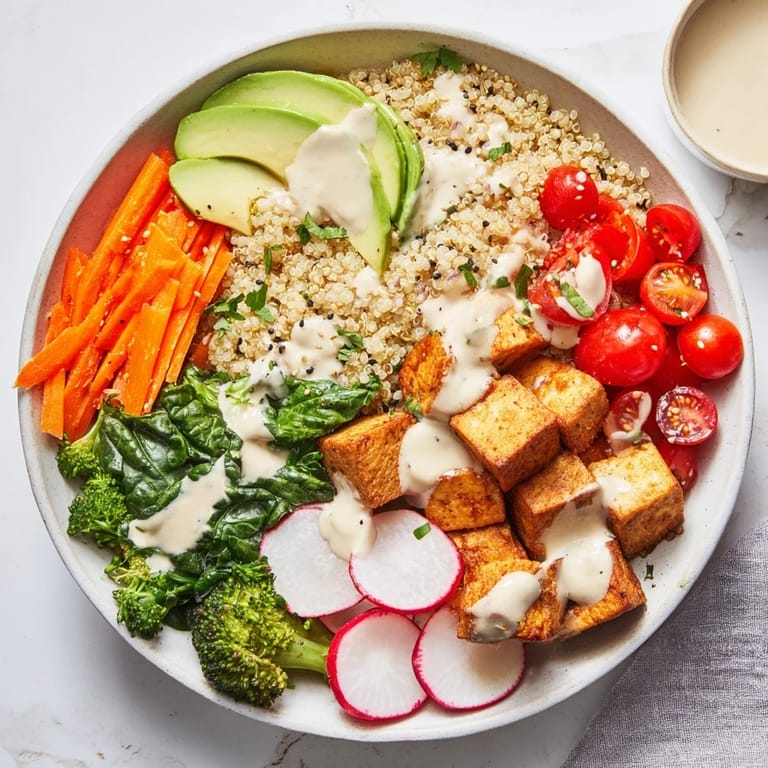
- Start with warm grains, then arrange vegetables and protein in sections rather than mixing everything together. This gives you the joy of choosing your ratio with each forkful.
- Finish with intention:
- Drizzle dressing generously across the entire bowl, scatter sesame seeds, finish with fresh herbs, then serve immediately while grains are still warm and vegetables still have their crunch.
 Save
Save These bowls became my answer to meal-prep Sunday, but the real moment was when my usually picky nephew asked for seconds and actually finished his vegetables. Somehow, the beautiful arrangement and the freedom to mix flavors however he wanted made him want to eat every component rather than push things around his plate.
Why These Combinations Work
The genius of the Buddha bowl lies in contrast—warm against cold, soft against crunchy, earthy against bright. Grains anchor the bowl and absorb the dressing, while raw vegetables keep things fresh and interesting. The protein and avocado add richness, and citrus cuts through everything to keep the bowl feeling light. Every component has a reason to be there, and together they create something that feels complete rather than like sides scattered on a plate.
Grain and Protein Swaps
I've made this bowl with farro when I wanted earthiness, millet when I needed something quicker, and even wild rice when I was feeling fancy. Tempeh gives you that same satisfying bite as tofu but with more texture, while roasted chickpeas add a surprising crunch. The beauty is that as long as you keep the dressing consistent and balance warm and cool elements, you can switch proteins and grains based on what you have or what sounds good that day.
Dressing Variations and Storage
The tahini dressing is flexible enough that you can make it in a big batch and store it in the fridge for almost a week, whisking in extra water as needed since it thickens as it sits. I've added a pinch of cumin for warmth, swapped lemon for lime when I wanted brightness from a different angle, and once mixed in a teaspoon of sriracha when I wanted heat. The base stays the same—tahini, acid, sweetness, and garlic—but from there you can follow your mood.
- Make dressing ahead but store it separate from the bowl so you control when flavors mingle.
- Keep avocado sliced at the very last moment so it doesn't brown and darken your beautiful arrangement.
- If you're packing this for lunch, keep the dressing in a separate container and assemble just before eating.
 Save
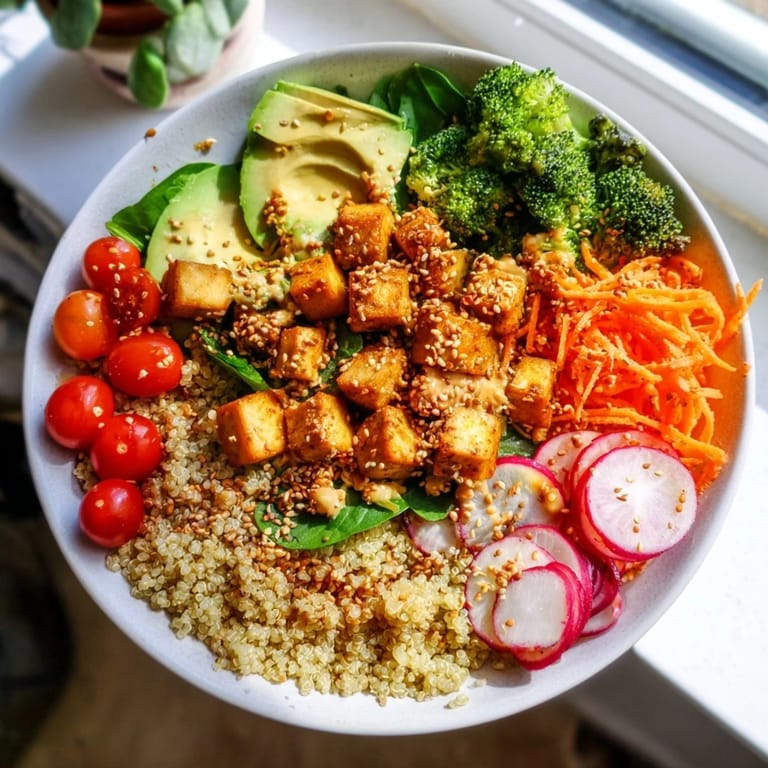
Save This bowl has become my go-to for feeding people because it's nourishing without feeling like a lecture on health, beautiful without being fussy, and genuinely delicious rather than virtuous. Once you understand the simple architecture—grains, vegetables, protein, dressing—you've learned a framework for countless meals.
Recipe FAQs
- → Can I substitute quinoa with other grains?
Yes, farro, millet, or brown rice are excellent alternatives that maintain texture and nutrition.
- → How should I prepare the tofu for the bowl?
Press and cube firm tofu, toss with olive oil, salt, and pepper, then bake at 200°C for 20 minutes until golden.
- → What is the best way to cook chicken for this dish?
Season chicken breasts with salt and pepper, then sauté in olive oil over medium heat for 6–8 minutes until cooked through.
- → How do I make a creamy dressing without dairy?
Use tahini blended with lemon juice, olive oil, maple syrup or honey, garlic, and water to create a smooth, creamy dressing.
- → Can the bowl be made gluten-free?
Yes, using certified gluten-free grains and checking all ingredient labels ensures a gluten-free meal.
- → Are there easy swaps for protein to accommodate different diets?
Absolutely; tempeh, shrimp, or roasted chickpeas can be used to suit vegetarian or omnivore preferences.