 Save
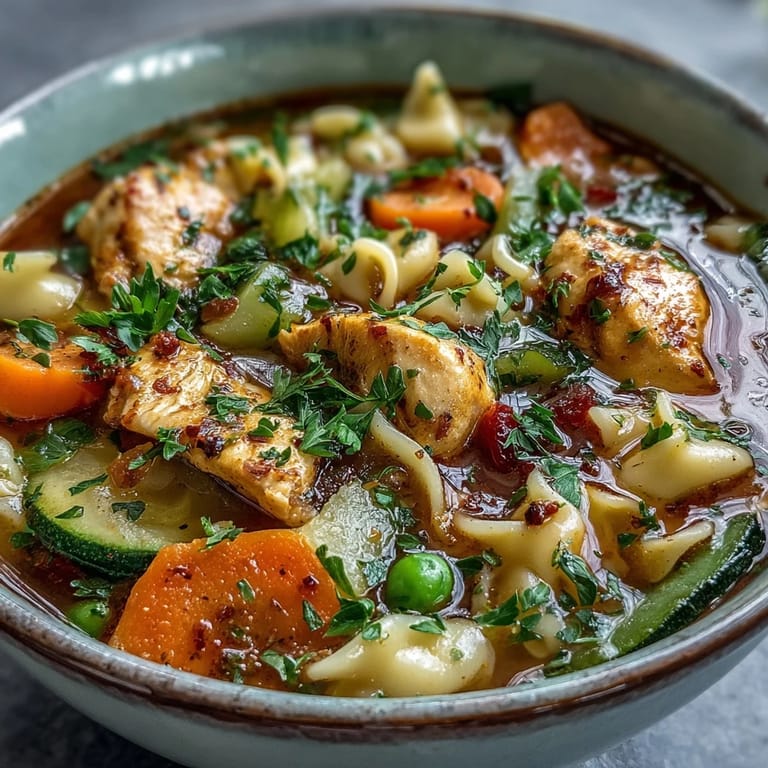
Save There's something about the sound of a wooden spoon scraping the bottom of a pot that signals comfort is on the way. My neighbor brought over a version of this soup on a particularly gray Tuesday afternoon, and I watched steam rise from the bowl while she told me about her grandmother's kitchen in Rome. Since then, this has become my go-to when I need something that feels both nourishing and effortless, something that transforms humble ingredients into bowls of warmth that my family actually asks for.
I made this soup for a friend recovering from surgery, and she texted me a photo of an empty bowl with a smiley face. Something about how a simple, honest soup can feel like the most thoughtful gift reminded me that cooking isn't really about perfection—it's about showing up for people with something warm and filling.
Ingredients
- Boneless, skinless chicken breasts: Cut into half-inch cubes so they cook quickly and evenly; this size melts into the broth rather than overpowering each spoonful.
- Carrots and celery: These are your flavor foundation, and taking time to slice them roughly the same thickness ensures they soften at the same pace.
- Onion: Finely chopped onion dissolves into the soup, creating a gentle sweetness that balances the acidity of the tomatoes.
- Garlic: Two cloves minced—any more and it becomes sharp, any less and you lose that subtle depth that makes people ask what your secret ingredient is.
- Zucchini: Diced into half-inch pieces so it stays intact and adds a slight sweetness without overwhelming the broth.
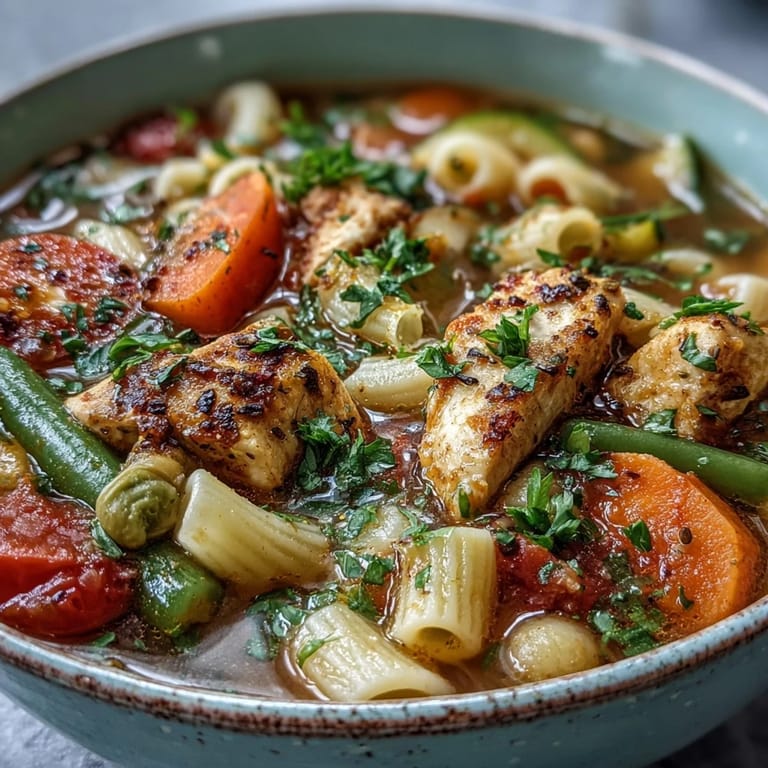
- Green beans: Trimmed and cut into one-inch lengths to stay tender without turning to mush during simmering.
- Frozen peas: These go in at the very end because they're already cooked; they need just a few minutes to warm through.
- Diced tomatoes: The undrained juice is essential—that acidic liquid awakens all the other flavors in the pot.
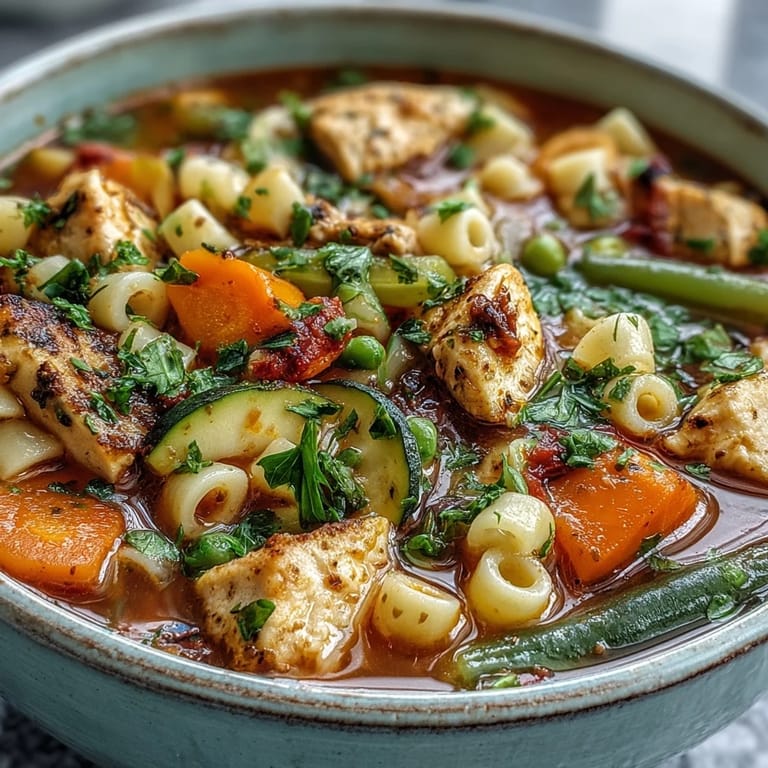
- Small pasta shapes: Ditalini or elbow macaroni work beautifully because they trap the broth and don't need as long to cook as larger shapes.
- Low-sodium chicken broth: Eight cups gives you that soupy consistency; use homemade if you have it, but good store-bought works just fine.
- Olive oil: Just a tablespoon to start your vegetable base without making the broth greasy.
- Thyme and basil: Dried herbs work here because they have time to infuse into the broth, but if you have fresh, tear them in at the very end instead.
- Bay leaf: This brings an earthy note that ties everything together; don't skip it, and definitely remember to fish it out before serving.
- Fresh parsley: Stirred in at the end, this adds brightness and a visual reminder that you actually cooked something.
Tired of Takeout? 🥡
Get 10 meals you can make faster than delivery arrives. Seriously.
One email. No spam. Unsubscribe anytime.
Instructions
- Build your base with aromatics:
- Heat olive oil in a large pot over medium heat, then add onion, carrots, and celery. You'll know they're ready when the kitchen smells like home cooking and the vegetables have softened at the edges, about five minutes in. Listen for the gentle sizzle—that's how you know the heat is right.
- Awaken the garlic:
- Add minced garlic and let it cook for just one minute; this is where you stop and smell because that's the signal it's ready. Any longer and it turns bitter, any shorter and it doesn't release its flavor.
- Quick sear the chicken:
- Stir in your chicken cubes and let them cook for four to five minutes until they're lightly golden on the outside but still pale in the middle. This isn't about cooking them through—it's about creating a slight crust that keeps them tender in the broth.
- Add the vegetables and seasonings:
- Toss in zucchini, green beans, tomatoes with their juice, thyme, basil, bay leaf, salt, and pepper. Stir everything together and take a moment to appreciate the colors—that's what you're eating.
- Bring it all together:
- Pour in the chicken broth and bring the whole pot to a boil, then reduce the heat and cover it. Let it simmer gently for fifteen minutes; the vegetables will become tender and the flavors will marry into something greater than their individual parts.
- Finish with pasta and peas:
- Add your pasta and frozen peas, then simmer uncovered for ten to twelve minutes until the pasta is just tender and the chicken is cooked through. Taste a piece of pasta—it should still have a slight resistance, not be soft all the way through.
- Final touches and seasoning:
- Fish out that bay leaf, stir in fresh parsley, and taste the broth. Adjust salt and pepper to your preference; this is your moment to make it sing.
 Save
Save 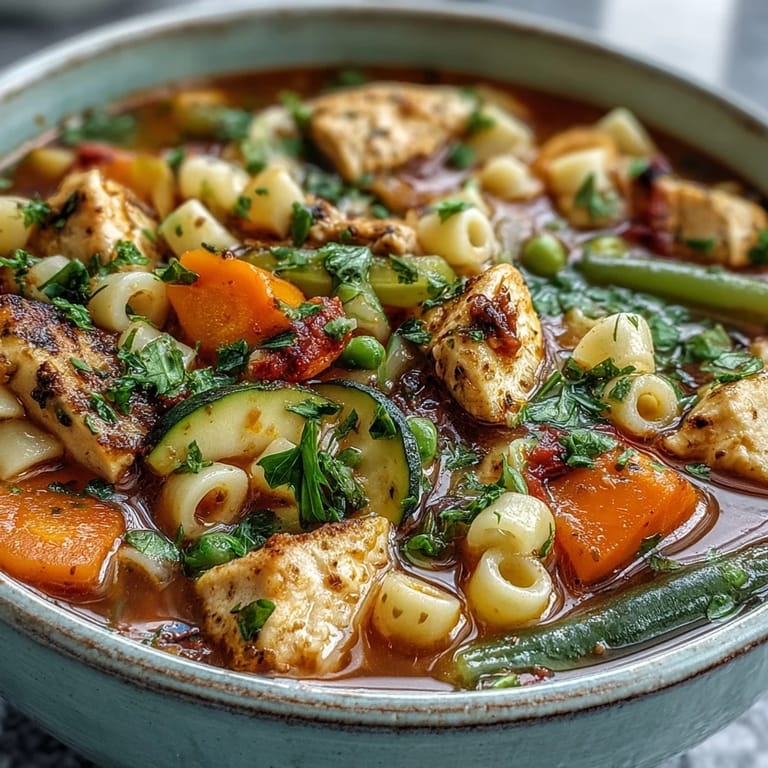 Save
Save My daughter once told me this soup tastes like a hug, and I've been chasing that description ever since. It's become less about following a recipe and more about understanding how simple things work together to create something that feeds both body and spirit.
Variations That Work Beautifully
This soup is wonderfully forgiving, which is partly why it's become such a staple in my kitchen. I've swapped zucchini for spinach on nights when I wanted something earthier, used corn instead of green beans when summer markets had them on sale, and even thrown in diced bell peppers for color and a hint of sweetness. Rotisserie chicken works brilliantly too—shred it and add it with the pasta if you want to skip the cooking step entirely. The beauty is that you're building a canvas with broth and vegetables, so the main ingredients are flexible as long as you respect the cooking times.
Timing and Temperature Matter
The magic of this soup lives in gentle cooking rather than aggressive boiling. A rolling boil will turn your vegetables to mush and your chicken will tighten up, but a simmer—that soft, steady bubbling—allows everything to become tender while staying intact. I learned early on that a covered pot simmers better than an uncovered one, but once the pasta goes in, you need to uncover it so you can monitor when it's done. The entire process should feel unhurried, like you're coaxing flavors out rather than forcing them.
Making It Your Own
The seasonings here are balanced and mild on purpose, giving you room to adjust based on what your palate wants on any given day. Some nights I add a pinch of red pepper flakes for warmth, other times a squeeze of fresh lemon juice at the end brightens everything up. The herbs can be swapped—oregano works if basil isn't what you have, and fresh herbs stirred in at the very end have a completely different character than dried herbs simmered throughout.
- Serve this soup with crusty bread for soaking up the broth, or alongside a simple salad to balance the richness.
- Leftovers taste even better the next day as flavors deepen, though you may need to add a splash of broth since the pasta continues absorbing liquid.
- This freezes beautifully for up to three months—just cool it completely and store it in portions so you have homemade comfort waiting whenever you need it.
 Save
Save 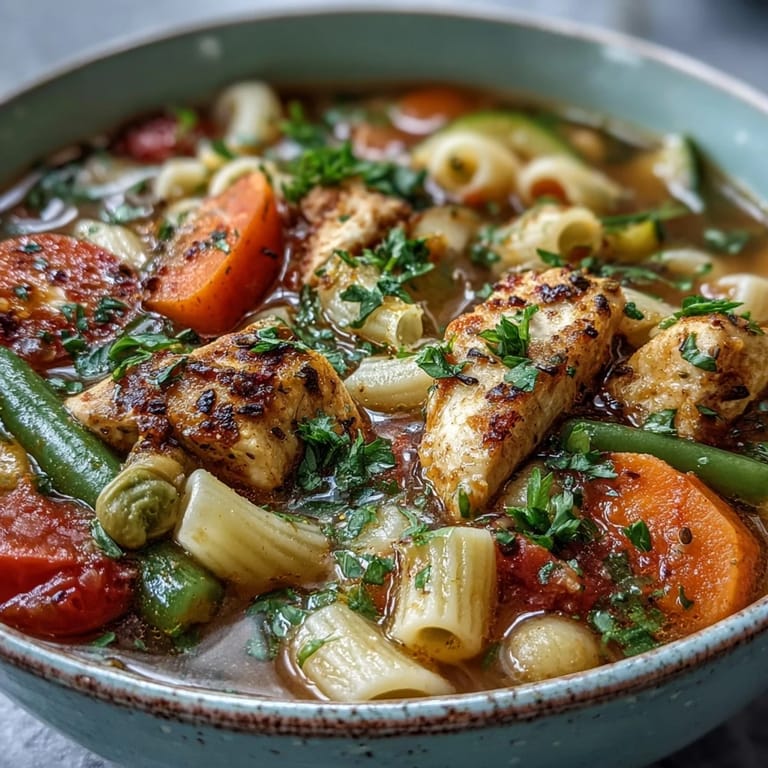 Save
Save This soup has become my answer to nearly every question—when someone's sick, when schedules get hectic, when we all just need to sit together and eat something honest. That's the real recipe here.
Recipe FAQs
- → Can I use leftover rotisserie chicken instead of raw chicken breasts?
Yes, rotisserie chicken works wonderfully and saves time. Shred or cube about 2-3 cups of cooked chicken and add it when you add the pasta, so it just needs to heat through rather than cook fully.
- → What pasta shapes work best for this soup?
Small pasta shapes like ditalini, elbow macaroni, orzo, small shells, or pastina work perfectly. They cook evenly in the broth and are easy to eat with a spoon. Avoid long pasta like spaghetti.
- → How do I prevent the pasta from getting mushy?
Cook the pasta only until al dente, about 10-12 minutes. If making ahead, cook the pasta separately and add it to individual bowls when serving, as pasta continues absorbing liquid during storage.
- → Can I make this soup ahead of time?
Absolutely. The soup keeps well in the refrigerator for 3-4 days. Note that pasta will continue to absorb broth, so you may need to add extra broth when reheating. Freeze without pasta for up to 3 months.
- → What vegetables can I substitute or add?
Feel free to customize with corn, spinach, kale, bell peppers, or butternut squash. You can also swap green beans for snap peas or use whatever seasonal vegetables you have on hand.
- → How can I make this soup more filling?
Increase the pasta to 1.5 cups, add white beans or chickpeas, or serve with crusty bread and a side salad. You can also add an extra chicken breast for more protein.