 Save
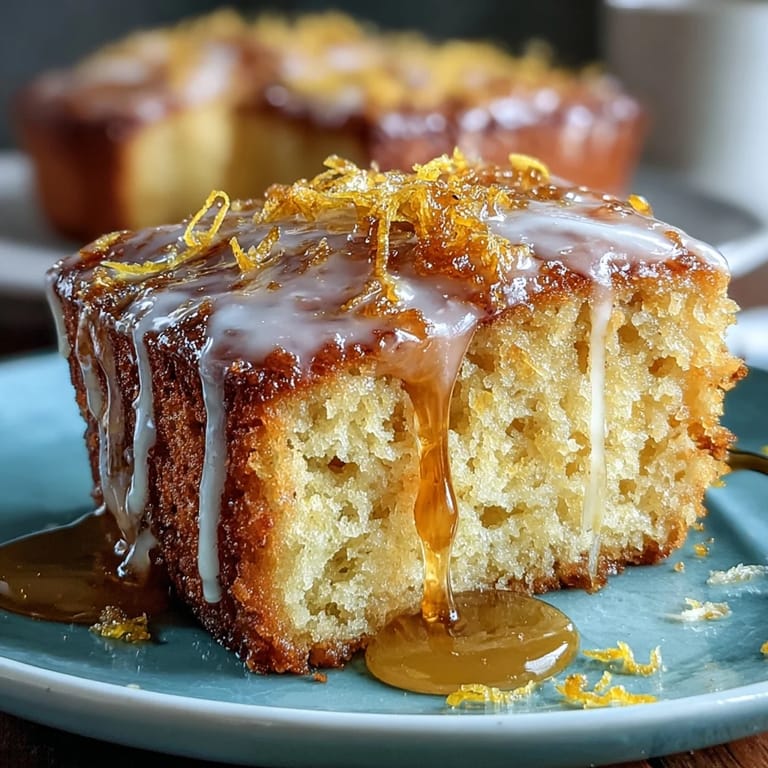
Save My neighbor Maria handed me a bottle of homemade limoncello one autumn, and I spent weeks wondering what to do with it besides sipping it over ice. Then came spring, and a dinner party sneaked up on me, and I thought: why not bake it into something? That first attempt at a limoncello pound cake wasn't perfect—the glaze was too thick and pooled awkwardly—but the flavor was so bright and alive that everyone went silent for a moment before asking for the recipe. I've made it dozens of times since, and somehow it tastes better each time, not because I'm more skilled, but because I understand now what the lemon and limoncello are doing together.
I baked this for my sister's baby shower last June, and it arrived at the table just as the afternoon light turned golden and everyone's energy was starting to dip. One slice and the whole room came alive again—people were trading bites, asking questions, genuinely engaged. That's when I realized this cake does something special: it doesn't just taste good, it shifts the mood of a moment.
Ingredients
- All-purpose flour (2 1/2 cups): Sift it or whisk it into the baking powder and salt; this prevents dense pockets from forming and keeps the crumb tender.
- Baking powder (1/2 tsp): Just a touch here—you want lift without cake-y density, and the eggs do most of the heavy lifting anyway.
- Fine sea salt (1/2 tsp): This is non-negotiable; it brightens the citrus and balances sweetness in ways table salt doesn't.
- Unsalted butter (1 cup, softened): Room temperature butter creams faster and holds more air, which is what gives pound cake its tender structure.
- Granulated sugar (2 cups): Don't skimp on creaming time—three to four minutes of beating transforms the butter and sugar into a pale, fluffy base that traps air bubbles.
- Eggs (4 large, room temperature): Cold eggs break the emulsion and create a grainy, dense cake; leave them on the counter for thirty minutes before you start.
- Limoncello (1/3 cup): This is your secret weapon; it adds moisture, prevents the crumb from drying out, and gives that unmistakable boozy-citrus note that makes people pause and ask what's in it.
- Whole milk (1/4 cup, room temperature): Balances the acidity of the lemon and limoncello so the cake doesn't taste too sharp.
- Fresh lemon juice (1/4 cup): Freshly squeezed only—bottled juice tastes flat and chemical once baked.
- Lemon zest (from 2 lemons): Zest before you juice; the oils in the zest carry the most vibrant flavor and aroma.
- Vanilla extract (1 tsp): A small amount rounds out the citrus and adds subtle depth without announcing itself.
- Powdered sugar (1 cup, sifted): Sift it before mixing so you don't end up with lumps in your glaze.
- Fresh lemon juice for glaze (2–3 tbsp): Start with two and add more until the glaze reaches a thick, pourable consistency that coats the back of a spoon.
- Limoncello for glaze (1 tbsp, optional): This optional splash intensifies the flavor if you want the cake to taste even more like summer in a slice.
- Lemon zest for garnish (from 1 lemon): Use a microplane and garnish just before serving so the zest stays bright and aromatic.
Tired of Takeout? 🥡
Get 10 meals you can make faster than delivery arrives. Seriously.
One email. No spam. Unsubscribe anytime.
Instructions
- Prepare your pan and heat the oven:
- Preheat to 350°F while you grease and flour your loaf or bundt pan—a loaf pan gives you neat, sliceable portions, while a bundt creates drama. This gentle temperature prevents the outside from browning too fast while the inside stays raw.
- Sift the dry ingredients:
- Whisk flour, baking powder, and salt together and set aside; this aerates the flour and distributes the leavening agent evenly so you get consistent rise throughout.
- Cream butter and sugar into clouds:
- Beat them for three to four full minutes until the mixture is pale, fluffy, and looks almost like frosting; this is where the cake's texture is born, so don't rush it. You're incorporating tiny air bubbles that will expand in the oven and create that tender crumb.
- Add eggs with patience:
- Drop in one egg at a time and beat until it disappears completely before adding the next; adding them all at once breaks the emulsion and creates a grainy cake. Listen for the mixer to slow down slightly as the egg incorporates—that's your cue it's ready for the next one.
- Mix in the wet ingredients:
- Pour in the limoncello, milk, lemon juice, zest, and vanilla, stirring gently until just combined; overmixing activates gluten and toughens the cake, so be gentle here.
- Fold in the flour:
- Add the dry mixture in three additions, mixing on low speed just until the streaks of flour disappear; the batter should be smooth but not overworked. This is the moment where restraint saves your cake.
- Pour and smooth:
- Transfer the batter to your prepared pan and run a spatula over the top to even it out; tap the pan gently on the counter once to release any large air pockets.
- Bake with attention:
- Bake for fifty to sixty minutes until a toothpick inserted near the center comes out clean or with just a few moist crumbs clinging to it. If the top browns too quickly around thirty-five to forty minutes, loosely tent with foil to shield it while the interior continues cooking.
- Cool and turn out:
- Let the cake rest in the pan for fifteen minutes—this allows the structure to set so it releases cleanly—then invert onto a cooling rack. The smell at this point is almost worth the whole effort.
- Make the glaze:
- Whisk powdered sugar with lemon juice and optional limoncello until you reach a thick, drizzle-able consistency; too thick and it won't flow, too thin and it slides right off. Start with two tablespoons of juice and add more drop by drop.
- Finish with glaze and zest:
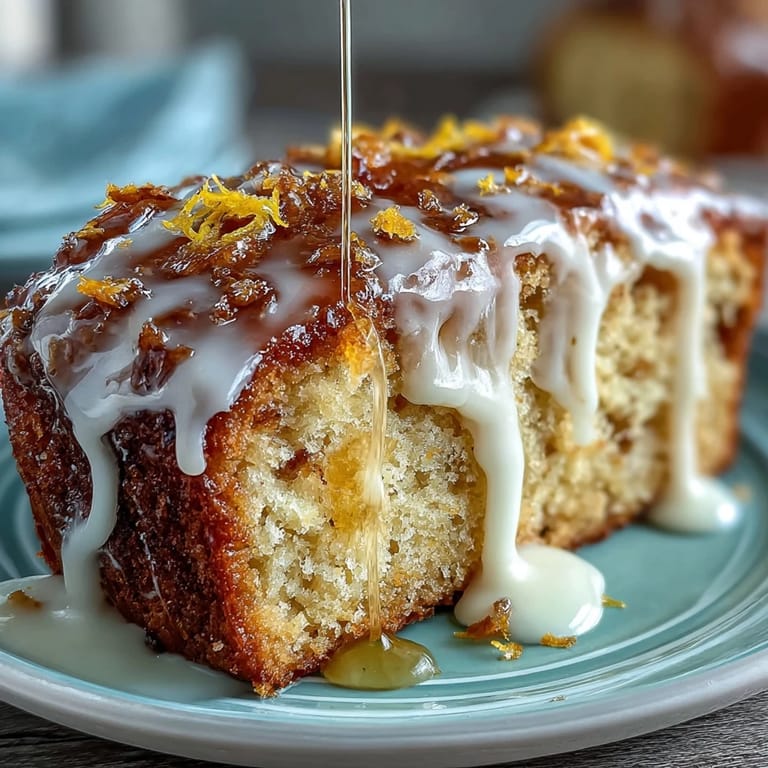
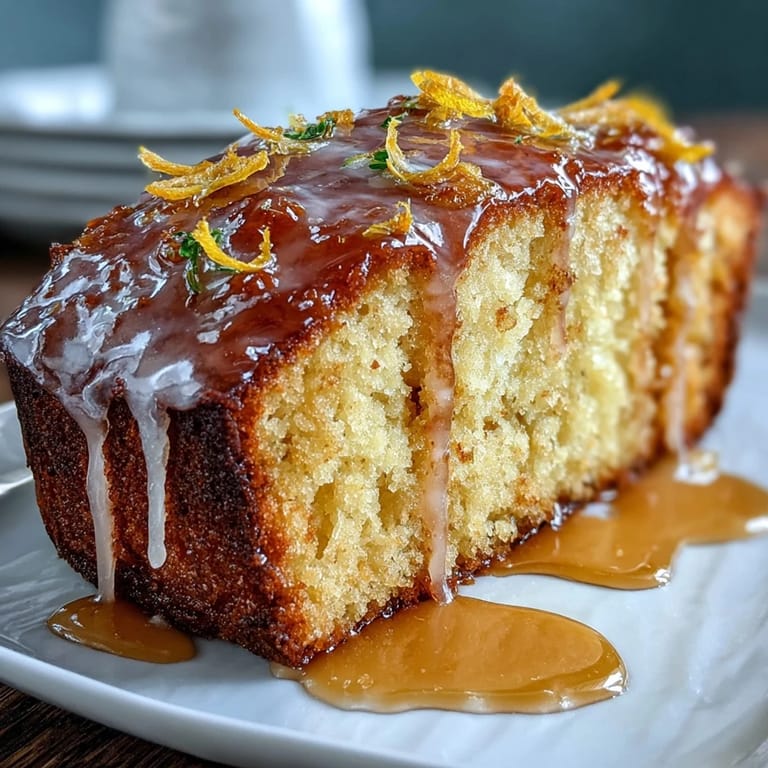
- Once the cake is completely cool, drizzle the glaze over the top in a loose pattern and scatter lemon zest over it while the glaze is still wet so the zest sticks. Let it set for ten minutes before slicing so the glaze firms up slightly.
 Save
Save My mom made this cake for my daughter's first day of kindergarten, and they shared a slice together in the car before drop-off, lemon glaze dotting their hands and the radio playing something cheerful. It became their ritual—that small, ordinary moment turned into something she talks about now when she's stressed or overwhelmed, like it somehow proved that good things can still be simple and sweet. That's the real magic of this cake.
When to Make This Cake
Spring and early summer are natural times for this, when lemons feel bright and fresh and limoncello suddenly makes sense on a warm afternoon. But honestly, I've baked it in December when the kitchen needed light, and in August when I wanted to gift something that felt thoughtful but not heavy. The beauty is that it adapts to the season without losing its character—it's equally at home at a casual weeknight table or a formal gathering.
Storage and Make-Ahead Tips
The limoncello acts as a preservative, so this cake actually improves on day two as the flavors meld and the crumb absorbs the moisture; store it wrapped tightly in plastic wrap or in an airtight container at room temperature for up to four days. If you want to make it ahead, bake the cake the day before, cool it completely, wrap it, and glaze it the morning of your gathering, or glaze it the night before and your kitchen will smell incredible when you wake up.
Variations and Twists
The beauty of this recipe is that it welcomes improvisation without falling apart. I've swapped limoncello for Gran Marnier and orange zest, created a grapefruit version by using pink grapefruit juice and zest, and once added a tablespoon of poppy seeds to the batter for unexpected texture. The formula stays strong—the citrus and the liqueur balance sweetness, and the glaze brightens everything—so trust your instincts if you want to riff on it.
- For an elegant twist, brush the cooled cake with a tablespoon or two of limoncello before glazing to intensify the boozy citrus note.
- Serve with whipped cream or mascarpone and fresh berries to add richness and tartness that complements the sweetness.
- This cake pairs beautifully with afternoon tea, prosecco, or even a light dessert wine, making it perfect for entertaining.
 Save
Save This cake has become my default gift, my go-to when I want to say I was thinking of you without words. Once you make it, you'll understand why.
Recipe FAQs
- → What gives the cake its citrus flavor?
Fresh lemon juice and zest provide the bright, tangy citrus notes that balance the sweetness of the cake and glaze.
- → How does limoncello affect the cake?
Limoncello adds subtle sweetness and depth, infusing the cake with a distinctive lemon liqueur aroma and flavor.
- → Can I use a bundt pan instead of a loaf pan?
Yes, a bundt pan works well and can enhance presentation; adjust baking time accordingly and monitor for doneness.
- → How do I achieve a moist crumb?
Mix ingredients gently without overworking the batter and bake just until a toothpick comes out clean to maintain moisture.
- → What can I serve alongside this cake?
Serve with fresh berries or a dollop of whipped cream to add freshness and creaminess to each bite.