 Save
Save There's something about assembling a bowl like this that feels less like cooking and more like creating—each ingredient a brushstroke of color and intention. I stumbled onto this particular combination during a phase where I was tired of the same lunch routine, standing in front of my open fridge on a Tuesday morning, surrounded by vegetables that needed using. What started as improvisation became my go-to answer whenever someone asks what I actually eat on a regular day.
I made this for my neighbor's book club potluck last spring, bringing it mainly because I could transport it easily and it would still look beautiful hours later. Watching people pile it onto their plates while debating whether the ending was redemptive taught me something: the best food is the kind that lets people eat with one hand while living their lives with the other.
Ingredients
- Mixed salad greens (4 cups): Use a combination of spinach, arugula, kale, and romaine for layered flavors and textures—the heartier greens hold up better if you dress ahead, while the delicate arugula stays peppery.
- Cherry tomatoes (1 cup, halved): Buy them in season when they actually taste like tomatoes, and halve them so they nestle between the other vegetables and release their juice slowly into the dressing.
- Cucumber (1 cup, sliced): Slice them just before assembling to keep them crisp and cool, and leave the skin on for both color and the nutrients hiding just beneath.
- Red bell pepper (1): Thinly slice it lengthwise so you catch the maximum sweetness in every bite, and don't discard those pale ribs inside—they're tender and mild.
- Carrot (1 large, shredded): Shredding by hand instead of using a food processor gives you better texture control and takes about the same amount of time.
- Avocado (1/2 small): Slice it just before serving to prevent browning, and position the slices on top so they stay visible and creamy rather than getting buried.
- Chickpeas or black beans (1 can, 15 oz): Drain and rinse them thoroughly to remove excess sodium, and if you have time, pat them dry so they don't water down your dressing.
- Toasted walnuts or almonds (1/3 cup, chopped): Buy them already toasted if you can, or toast them yourself in a dry pan for about three minutes until fragrant—this step is what makes them taste expensive.
- Pumpkin seeds (2 tablespoons): These little green gems add a subtle earthiness and a satisfying crunch that somehow tastes both wholesome and indulgent.
- Olive oil (3 tablespoons): Use something you actually like to taste on its own, because it's the backbone of your dressing and there's nowhere for mediocre oil to hide.
- Lemon juice (1 tablespoon): Fresh squeezed makes an audible difference, but bottled works in a pinch if you compensate with slightly less vinegar.
- Apple cider vinegar (1 tablespoon): The acidity here is mellowed by the honey, creating a dressing that tastes bright without being harsh.
- Dijon mustard (1 teaspoon): This acts as an emulsifier, helping the oil and acid bond into something creamy and cohesive.
- Honey or maple syrup (1 teaspoon): A tiny amount of sweetness rounds out the dressing and prevents it from tasting one-dimensional.
- Salt and black pepper: Taste as you go rather than measuring—the beans are already salted, so start small.
Tired of Takeout? 🥡
Get 10 meals you can make faster than delivery arrives. Seriously.
One email. No spam. Unsubscribe anytime.
Instructions
- Build your foundation:
- Layer your mixed greens in a large bowl, using the heartier kale and romaine as your base so they support the weight of what comes next. This matters more than it sounds—a proper foundation keeps the bottom from getting soggy.
- Arrange your vegetables:
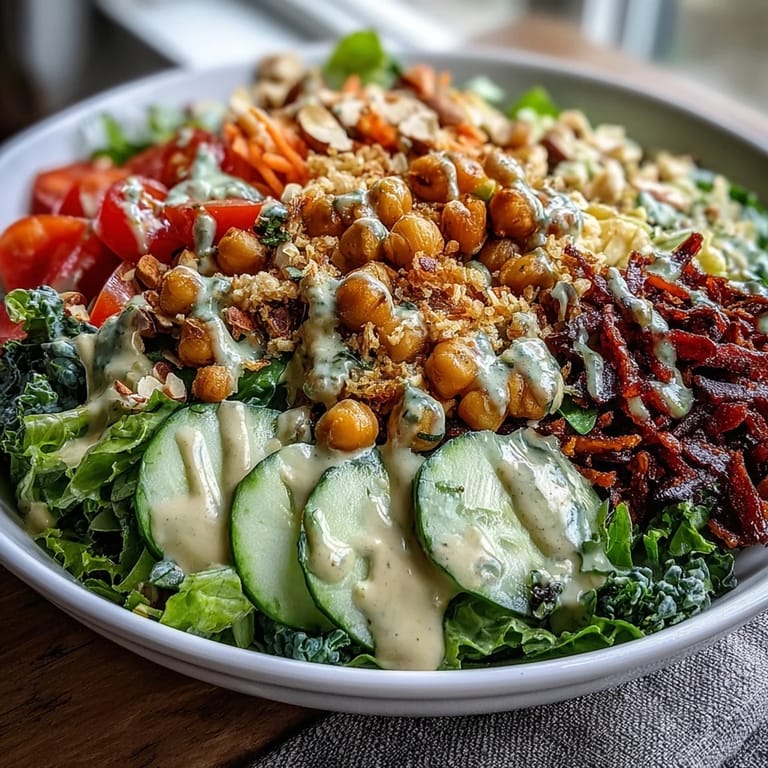
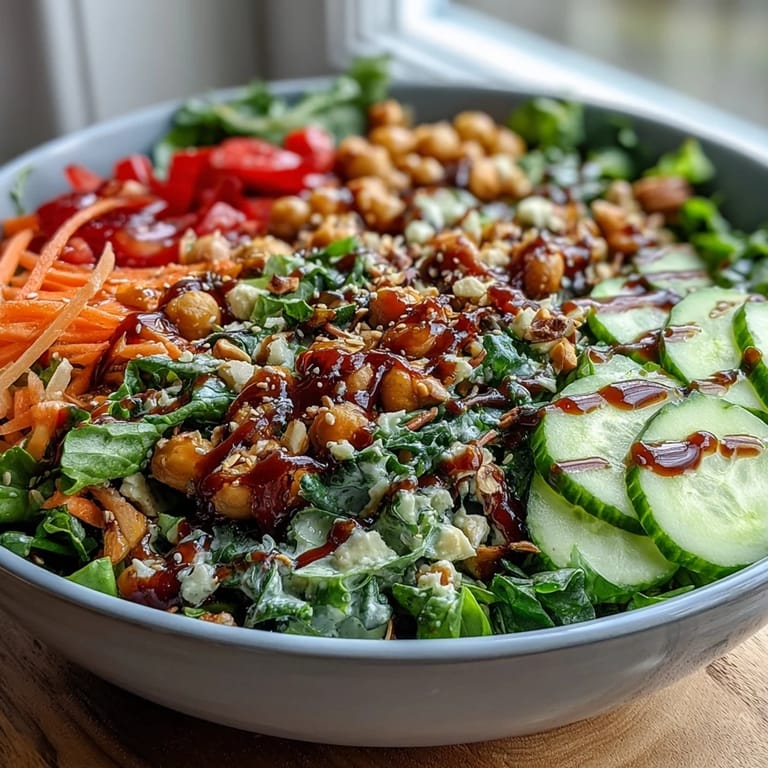
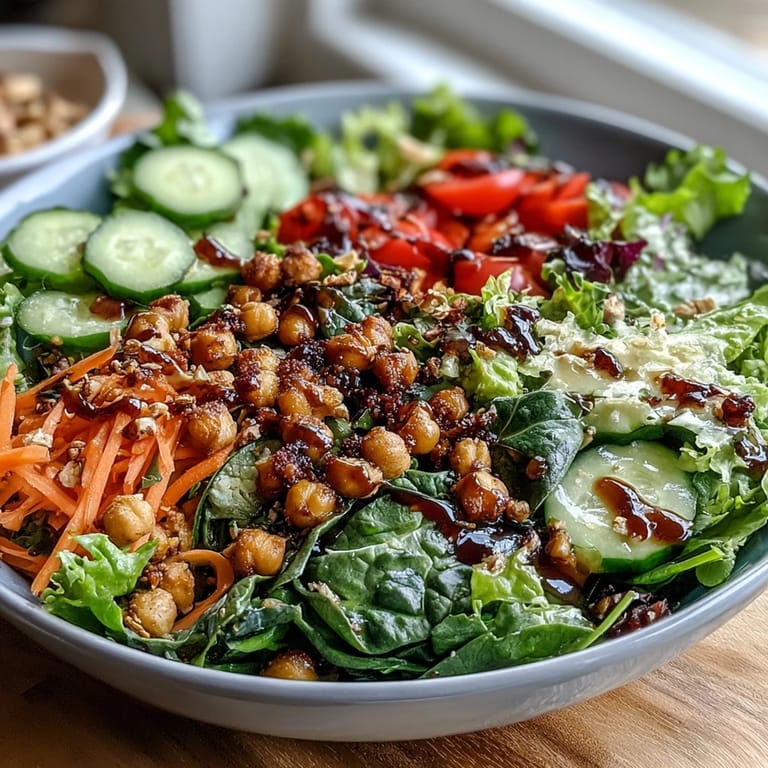
- Place the tomatoes, cucumber, bell pepper, and carrot in sections around the bowl like you're plating for a photograph. The visual appeal here isn't vanity; people eat with their eyes first, and a beautiful bowl makes you want to eat slowly.
- Add your protein:
- Distribute the drained beans evenly across the surface so every bite has some, rather than leaving them to settle at the bottom where they'll go unnoticed. If they're cold from the can, you can gently warm them or just let them come to room temperature.
- Crown with crunch:
- Sprinkle the nuts and seeds on top like the finishing touch they are, placing them where they're visible rather than buried. Save some to add just before eating if you're serving this hours ahead, so nothing gets soggy.
- Whisk your dressing:
- In a small bowl, combine the olive oil, lemon juice, apple cider vinegar, mustard, and honey, whisking steadily until it tastes balanced and looks emulsified. You'll notice it goes from separated to silky—that's when you know it's ready.
- Dress strategically:
- Either drizzle the dressing right before serving and toss gently together, or let people dress their own so everyone gets the ratio they prefer. A composed, undressed bowl is beautiful for events; a tossed one is better for immediate eating.
 Save
Save My partner once took a bite of one of these bowls I'd made and said, 'This is the salad I actually want to eat,' which somehow felt like the highest compliment. It's not trying to be fancy or make you feel virtuous—it's just good food that tastes like attention.
Variations That Work
The beauty of this bowl is that it's a template, not a rigid recipe. Swap chickpeas for lentils, kidney beans, or edamame depending on what you have and what sounds good. Add grains like quinoa or brown rice to make it heartier, or crumble goat cheese or feta on top if you're not keeping it vegan. Even the greens can change with the season—use what's fresh and available, and the bowl will taste different but still feel right.
Dressing Secrets
The dressing does more work than people realize, transforming separate ingredients into something cohesive. The mustard is doing the real heavy lifting here as an emulsifier, helping the oil and vinegar play nicely together instead of separating back into their original components. A tiny amount of sweetness prevents the acidity from overwhelming, and good olive oil makes it taste like you knew what you were doing. Taste it straight from the whisk before you commit it to the salad—dressing is personal, and yours might need a touch more lemon or a whisper more salt depending on everything else.
Making It a Meal
This bowl sits at that perfect intersection where it's substantial enough for lunch or dinner but light enough to eat without feeling weighed down for the rest of your day. Sometimes I make a double batch and keep components separate, assembling fresh bowls for several days' worth of lunches. The texture of the nuts and seeds is crucial to how satisfying this feels—they're the element that tricks your brain into thinking you've eaten something rich and indulgent even though it's fundamentally vegetables and legumes.
- Pair it with crusty bread if you want to turn it into more of an event meal.
- A crisp white wine or herbal iced tea alongside rounds out the whole experience without overwhelming the delicate flavors.
- Leftovers work fine as long as you keep the dressing separate and don't assemble until you're ready to eat.
 Save
Save This bowl has become my answer to the question of how to eat well without performing virtuousness or spending hours in the kitchen. It's the kind of food that slides easily into real life, showing up at potlucks and packed in lunch containers and assembled on Tuesday nights when nothing else sounds right.
Recipe FAQs
- → How long does this bowl stay fresh?
The undressed bowl stays fresh for 2-3 days when stored in an airtight container in the refrigerator. Keep the dressing separate and add just before serving to maintain crisp textures.
- → Can I prepare this bowl in advance?
Yes, this bowl works excellently for meal prep. Layer ingredients in containers, keeping the avocado separate with a squeeze of lemon to prevent browning. Store dressing in small jars and drizzle when ready to eat.
- → What protein alternatives work well?
Beyond chickpeas and black beans, try lentils, edamame, or white beans. Grilled chicken, hard-boiled eggs, or baked tofu also make excellent additions for extra protein if you want to modify the vegetarian profile.
- → How can I add more substance to this bowl?
Add cooked grains like quinoa, brown rice, or farro to make it more filling. Roasted sweet potato cubes, cooked beets, or roasted chickpeas also add heartiness and extra flavor dimensions.
- → What dressing variations work best?
Try a tahini-lemon dressing for creaminess, balsamic vinaigrette for depth, or avocado-lime for richness. An herb-packed green goddess dressing also complements the fresh vegetables beautifully.