 Save
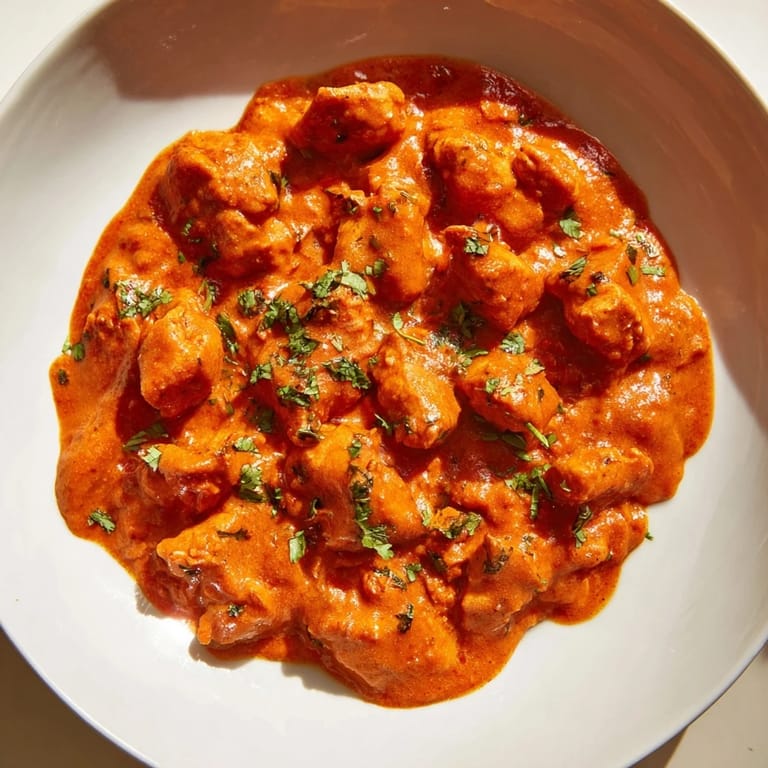
Save There's a moment that happens in almost every home cook's kitchen—the one where you're standing in front of the spice cabinet, wondering if you can actually pull off something that tastes like the restaurant version. My chicken tikka masala came from exactly that place: curiosity mixed with skepticism and a small pile of spices I'd been collecting. The first time I made it, the kitchen filled with this warm, layered aroma that made me realize this dish wasn't some unreachable mystery—it was just chicken, yogurt, and a little courage.
I made this for my roommate on a random Thursday when she'd had the kind of day that needed comfort food. She walked through the door to that same spice-filled air, took one bite, and just went quiet—the good kind of quiet. That's when I knew the recipe was worth keeping around, not just for the taste, but for what it could do.
Ingredients
- Boneless, skinless chicken thighs or breasts (1 ½ lbs): Thighs stay moister and more forgiving than breasts, but either works—just cut them into roughly 1-inch pieces so they cook evenly.
- Plain Greek yogurt (¾ cup): This is your secret weapon for tenderness; the acidity and probiotics in yogurt actually soften the chicken from the inside out.
- Lemon juice (2 tbsp): Brightens the marinade and helps break down the chicken proteins—don't skip this.
- Ground cumin, coriander, garam masala, paprika, turmeric (various amounts): These spices are the soul of the dish; if possible, buy whole spices and toast them briefly before grinding, though ground works perfectly fine.
- Fresh garlic and ginger (minced and grated): Fresh is non-negotiable here—the heat and aromatics from these two are what make people ask for your recipe.
- Unsalted butter and vegetable oil (2 tbsp and 1 tbsp): Together they create a rich base for the sauce without burning at higher heat.
- Large onion (finely chopped): This caramelizes into the foundation of the sauce, so don't rush this step.
- Tomato sauce or crushed tomatoes (1 can, 15 oz): The acid balances the cream and creates that signature depth.
- Heavy cream (1 cup): This is what makes it a masala; it mellows the spices and creates that luxurious mouthfeel.
- Sugar (1 tsp): A small amount balances the acidity of tomatoes without making anything sweet.
- Fresh cilantro (2 tbsp): The final flourish that makes it taste alive and bright.
Tired of Takeout? 🥡
Get 10 meals you can make faster than delivery arrives. Seriously.
One email. No spam. Unsubscribe anytime.
Instructions
- Create the marinade:
- Combine yogurt, lemon juice, and all the spices—cumin, coriander, garam masala, paprika, turmeric, salt—along with minced garlic and grated ginger in a large bowl. This fragrant mixture is the start of everything, so stir until it looks like a paste with flecks of spice throughout.
- Marinate the chicken:
- Toss your chicken pieces in the yogurt mixture until every piece is coated, then cover and refrigerate for at least 30 minutes (longer is always better—even a few hours will deepen the flavor significantly). The yogurt will start working its magic immediately, but patience here pays off.
- Cook the chicken:
- Preheat your broiler to high and line a baking sheet with foil, then place a rack on top. Spread the marinated chicken on the rack and broil for 5 to 7 minutes per side until lightly charred and cooked through—you're looking for golden-brown edges and meat that's mostly opaque inside. Grilling or pan-searing works beautifully too if that's easier for you.
- Begin the sauce base:
- Heat butter and oil in a large skillet over medium heat until the butter foams. Add your finely chopped onion and sauté, stirring occasionally, until it turns golden and soft—this should take around 5 minutes and is worth every second because the onion becomes sweet and forms the base of everything that comes next.
- Bloom the spices:
- Add minced garlic and grated ginger to the onions and cook for about 1 minute until fragrant. Then stir in cumin, garam masala, paprika, coriander, and chili powder if you're using it, cooking for just 30 seconds—this quick cooking releases the aromatic oils without burning anything.
- Build the sauce:
- Pour in the tomato sauce and sugar, then let it simmer gently for 10 minutes, stirring occasionally so nothing sticks to the bottom. The sauce will darken slightly and become more concentrated, which is exactly what you want.
- Add the cream:
- Stir in the heavy cream and let everything simmer together for another 5 minutes until the sauce is thick, creamy, and a beautiful rust-orange color. Taste it now and adjust salt and pepper to your preference.
- Finish with chicken:
- Gently add the broiled chicken to the sauce and let it simmer together for 7 to 10 minutes so the flavors meld and the chicken finishes cooking gently in the cream. This is when the dish truly comes together—the sauce clings to each piece and everything tastes unified.
- Serve:
- Scatter fresh cilantro over the top and serve immediately with steamed basmati rice or warm naan to soak up every last drop of sauce. The cilantro is the final note of brightness that makes people lean back and smile.
 Save
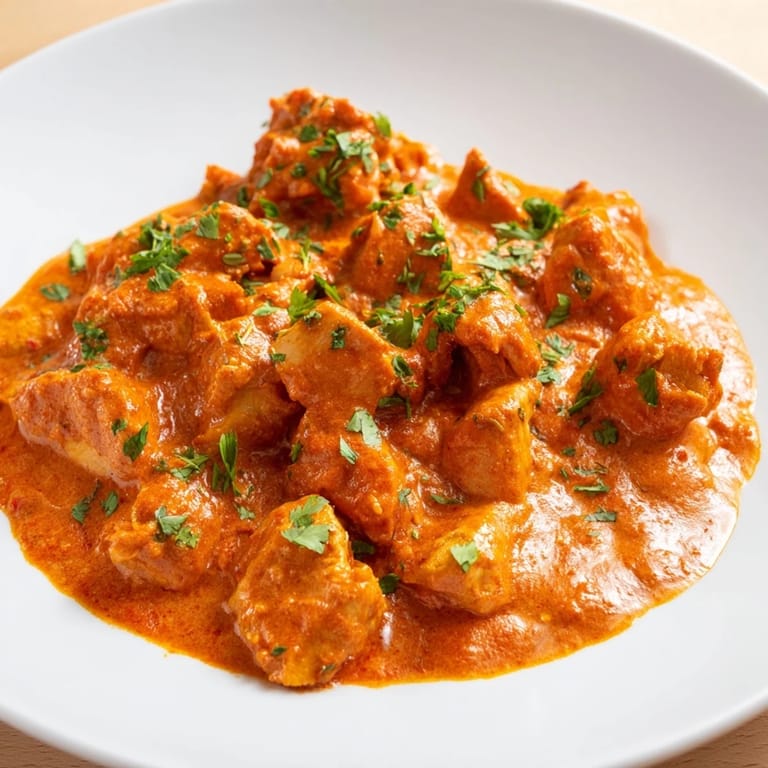
Save The real magic of this dish hit me one evening when a friend who usually orders takeout realized she'd eaten the entire bowl without thinking about it. She looked at the empty plate like she was surprised, then asked if I could write down what went into it because she was tired of paying fifteen dollars for something she could learn to make at home.
The Spice Moment
If you've never toasted whole spices before blooming them in oil, this is the moment to start noticing the difference. I used to think pre-ground spices were fine—and honestly, they are—but toasting whole cumin seeds and coriander seeds for just a minute releases something deeper and more complex in the finished sauce. It's one of those small techniques that separates restaurant flavor from home cooking flavor, and it takes almost no extra time.
The Onion Foundation
One afternoon while making this, I got impatient with the onions and cranked the heat to hurry things along. The sauce tasted flat and bitter, and I learned that sauces like this aren't built on speed—they're built on that soft, golden onion base. Now I take those 5 minutes seriously because they're the difference between something that tastes homemade in the best way and something that tastes rushed.
Pairing and Serving
Basmati rice is the traditional choice, but I've also served this over cauliflower rice when I wanted something lighter, and it works beautifully. Naan is obviously perfect for scooping and soaking up sauce, though flatbread of any kind does the job. If you're thinking about wine or beer, a dry Riesling cuts through the cream without competing with the spices, and a cold lager brings out the aromatics in ways you wouldn't expect.
- Make extra sauce—people will want more to pour over their rice than you'd think possible.
- Leftovers taste even better the next day once all the flavors have had time to get acquainted.
- This freezes beautifully for up to three months if you want to make a double batch and save some for a future evening that needs comfort.
 Save
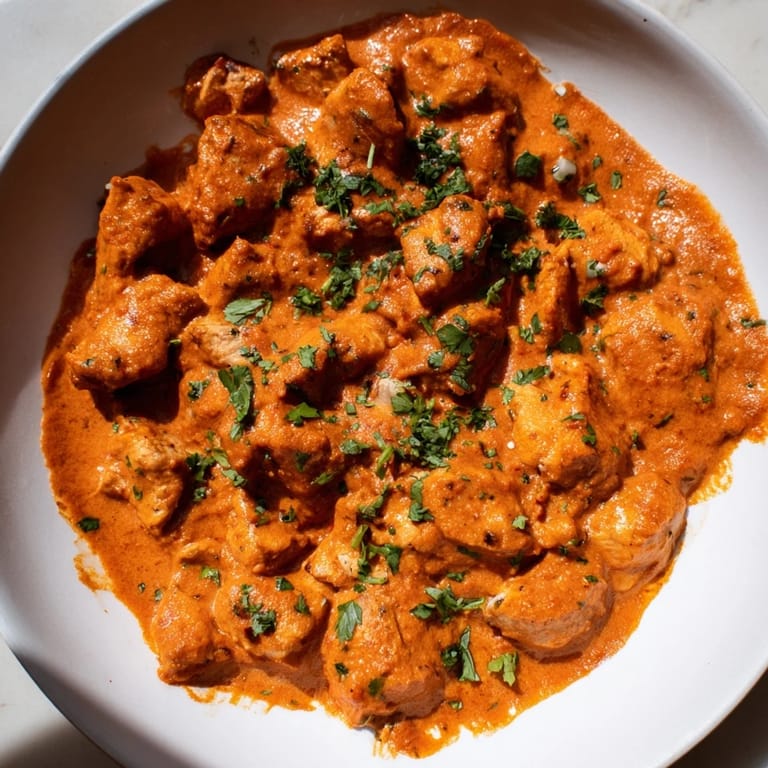
Save This is the kind of recipe that becomes part of your regular rotation once you've made it once, not because it's fancy, but because it tastes like home and delivers every single time. The hour it takes is an hour well spent.
Recipe FAQs
- → How long should the chicken be marinated?
For best flavor and tenderness, marinate the chicken for at least 30 minutes, but ideally between 2 to 4 hours or even overnight.
- → Can I use chicken breast instead of thighs?
Yes, boneless, skinless chicken breasts can be used; however, thighs tend to remain juicier and more flavorful during cooking.
- → What is the best method to cook the chicken?
Broiling is recommended for a slight char and smoky flavor, but grilling or pan-searing also work well to develop rich taste and texture.
- → How can I adjust the heat level of the sauce?
Increase the chili powder or add diced fresh chili to introduce more spice according to your preference.
- → Are there alternatives to heavy cream for a lighter sauce?
Yes, half-and-half or coconut milk can substitute heavy cream for a lighter, yet still creamy, sauce texture.