 Save
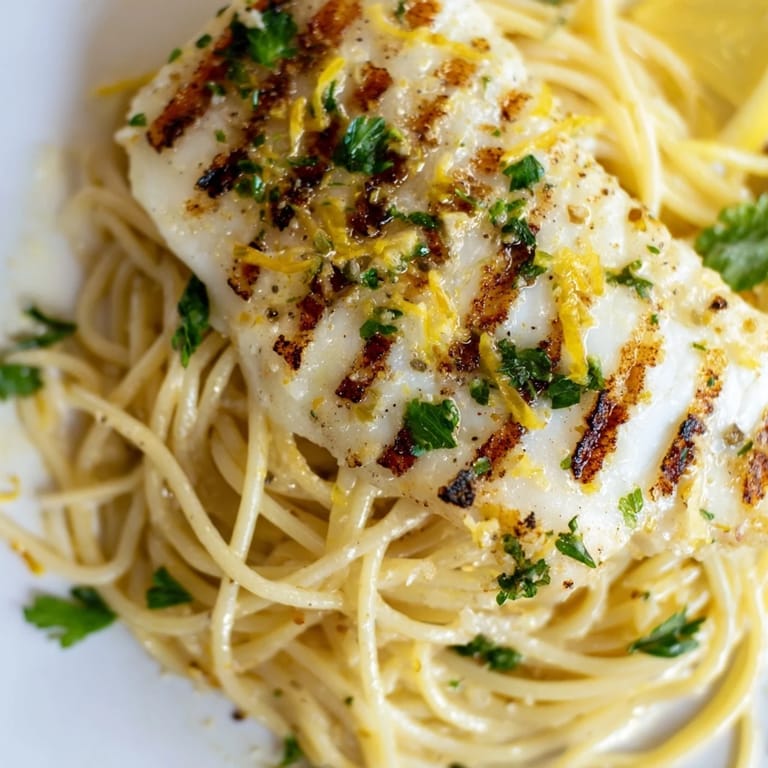
Save My neighbor brought me a whole sea bass last spring, still cold from the market, and I panicked because I had no plan. I boiled pasta, grabbed lemons from the bowl on the counter, and grilled the fish with whatever was in reach. The butter sauce came together almost by accident, but when I tasted it, I realized sometimes the best meals are the ones you don't overthink. That dish became this one, and I've made it dozens of times since, always remembering that frantic, lucky afternoon.
I made this for my sister's birthday dinner one summer, and she kept scraping her plate long after everyone else had finished. She said it reminded her of a trip we took to the Amalfi Coast, even though we'd never been. I think it was the bright lemon and the way the fish flaked into the pasta, turning every bite into something light and satisfying. She still asks for it every year, and I never say no.
Ingredients
- White fish fillets: Sea bass is buttery and mild, but cod or halibut work just as well if you want something more affordable or easier to find.
- Olive oil for the fish: A light coating keeps the fillets from sticking to the grill and adds a hint of richness without overpowering the lemon.
- Lemon zest on the fish: Rubbing zest directly onto the fillets before grilling gives them a fragrant crust that smells incredible as they cook.
- Spaghetti or linguine: Long pasta is essential here because it twirls with the sauce and makes every forkful feel elegant and cohesive.
- Unsalted butter: This is the base of the sauce, and using unsalted lets you control the seasoning without accidentally making it too salty.
- Garlic cloves: Minced fine and cooked gently, garlic adds warmth without bitterness or sharpness.
- Lemon zest and juice: Two lemons give you enough brightness to coat the pasta and balance the richness of the butter and Parmesan.
- Reserved pasta water: This starchy water is the secret to a silky sauce that clings instead of pooling at the bottom of the plate.
- Fresh parsley: Chopped parsley adds color and a clean, grassy note that cuts through the richness of the butter.
- Grated Parmesan: A little Parmesan melts into the sauce and gives it body, plus a salty, nutty finish that makes the whole dish feel complete.
Tired of Takeout? 🥡
Get 10 meals you can make faster than delivery arrives. Seriously.
One email. No spam. Unsubscribe anytime.
Instructions
- Boil the pasta:
- Bring a large pot of salted water to a rolling boil, then cook the spaghetti until it's al dente with a slight bite in the center. Before draining, scoop out half a cup of the starchy cooking water and set it aside.
- Preheat the grill:
- While the pasta cooks, heat your grill pan or outdoor grill over medium high heat until it's hot enough to sear the fish without sticking.
- Season the fish:
- Pat the fillets completely dry with paper towels, then drizzle them with olive oil and season both sides with salt, pepper, and lemon zest. Press the zest gently into the flesh so it stays put during grilling.
- Grill the fish:
- Lay the fillets on the hot grill and cook for 3 to 4 minutes per side, flipping only once, until the fish is opaque and flakes easily with a fork. Remove from heat and cover loosely with foil to keep warm while you finish the pasta.
- Start the sauce:
- In a large skillet, melt the butter with olive oil over medium heat, then add the minced garlic and cook for about a minute until it smells fragrant but hasn't turned brown.
- Add lemon and pasta:
- Stir in the lemon zest and juice, then add the drained pasta and toss everything together, adding the reserved pasta water a little at a time until the sauce looks glossy and coats the noodles.
- Finish with herbs and cheese:
- Toss in the chopped parsley and grated Parmesan, then taste and adjust the salt and pepper. The sauce should be bright, buttery, and just rich enough to cling to each strand.
- Plate and top:
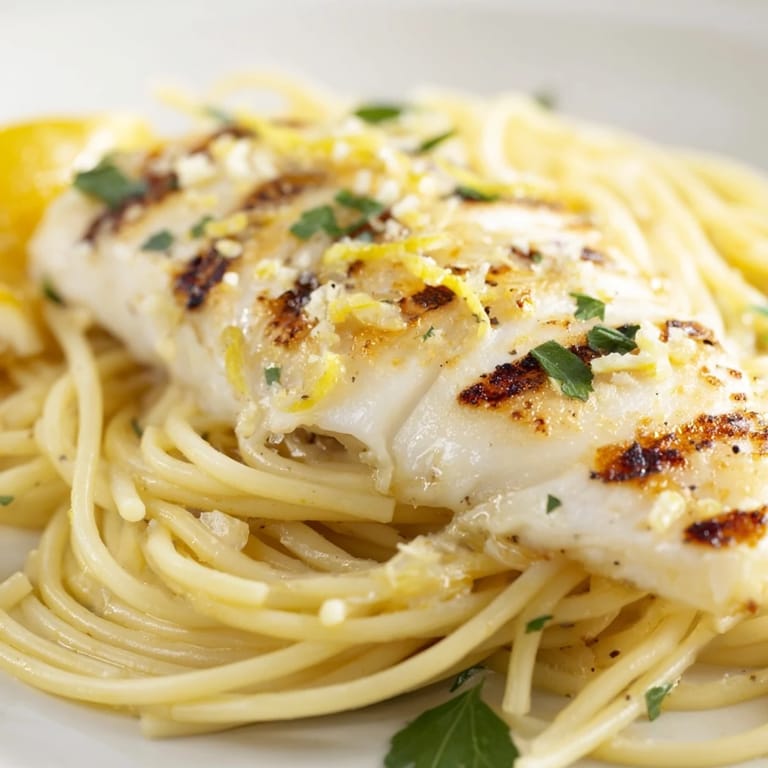
- Divide the pasta among four plates, twirling it into neat nests if you're feeling fancy, then place a grilled fish fillet on top of each serving.
- Garnish and serve:
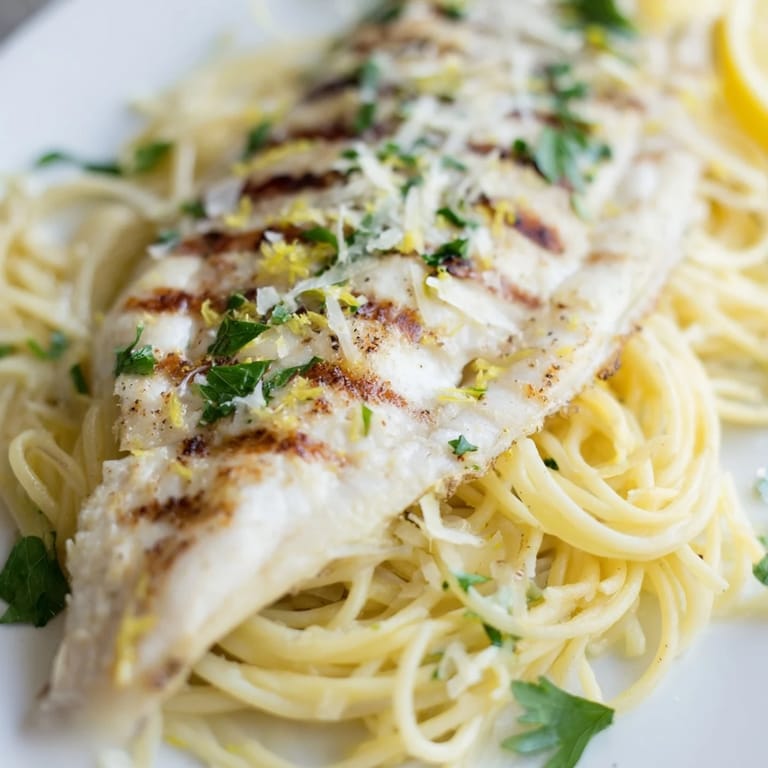
- Finish with lemon wedges, a sprinkle of extra parsley, and more Parmesan if you like. Serve immediately while the fish is still warm and the pasta is glossy.
 Save
Save The first time I served this to friends, one of them said it tasted like vacation, and I realized that's exactly what I love about it. It's light and bright and feels like you're eating outside near the water, even if you're just at your kitchen table on a Tuesday. We've made it a tradition now, something we cook together when we need a little escape without leaving home.
Choosing Your Fish
Sea bass is the classic choice because it's tender and sweet, but I've used cod, halibut, and even snapper with great results. The key is picking something with firm, white flesh that won't fall apart on the grill. Ask your fishmonger what's freshest that day and go with that, it'll always taste better than something that's been sitting around. If the fillets are thick, you might need an extra minute per side, so just watch for that opaque center and flaky texture.
Making the Sauce Silky
The magic of this dish is in the way the butter, lemon, and pasta water come together into something glossy and light. I learned the hard way that you can't just dump all the pasta water in at once or it gets soupy. Add it slowly, a few tablespoons at a time, tossing constantly until the sauce clings to the noodles without pooling. The starch in the water acts like glue, pulling the fat and acid together into an emulsion that coats every strand. If it looks too thick, add more water; if it's too loose, let it cook down for a minute while tossing.
Serving and Pairing
This dish is best served immediately, while the pasta is still hot and the fish is warm from the grill. I like to plate it in shallow bowls so the sauce pools a little around the noodles, and I always put extra lemon wedges on the table because some people love an extra squeeze. A crisp white wine like Sauvignon Blanc or Pinot Grigio is perfect here, cutting through the butter and echoing the citrus.
- If you want to make it ahead, cook the pasta and sauce separately, then toss and reheat gently with a splash of water before serving.
- Leftovers keep for a day in the fridge, but the fish is best eaten fresh since it can dry out when reheated.
- For a little heat, add a pinch of red pepper flakes to the garlic as it cooks.
 Save
Save This recipe has become one of those dishes I turn to when I want something special but don't have all day to fuss. It feels generous and bright, and every time I make it, I'm reminded that simple ingredients, treated well, are all you really need.
Recipe FAQs
- → What type of white fish works best for this dish?
Sea bass and cod are ideal choices. Both have tender, flaky flesh that grills beautifully. If unavailable, halibut, branzino, or flounder are excellent substitutes with similar mild, delicate flavors.
- → How do I prevent the fish from sticking to the grill?
Pat fillets completely dry before grilling. Oil the grill grates generously and preheat until hot. Place fish skin-side down first if skin is present, and avoid moving it until it naturally releases, typically 3-4 minutes.
- → What's the purpose of reserving pasta water?
Pasta water contains starch that creates a silky emulsion with butter and oil, binding the sauce to the spaghetti. Start with a small amount and add as needed to achieve your desired sauce consistency.
- → Can I make this dish gluten-free?
Yes. Simply substitute regular pasta with gluten-free spaghetti or linguine. The cooking method and sauce remain unchanged. Check all ingredients, including Parmesan and butter, for hidden gluten.
- → What wine pairs well with this meal?
Crisp white wines complement the bright lemon flavors beautifully. Sauvignon Blanc and Pinot Grigio are ideal choices, offering acidity that balances the richness of the butter sauce and delicate fish.
- → How can I add more heat to this dish?
Stir a pinch of red pepper flakes into the butter-oil base after cooking the garlic, or sprinkle them over the finished dish. Start with 1/4 teaspoon and adjust to your preference.