 Save
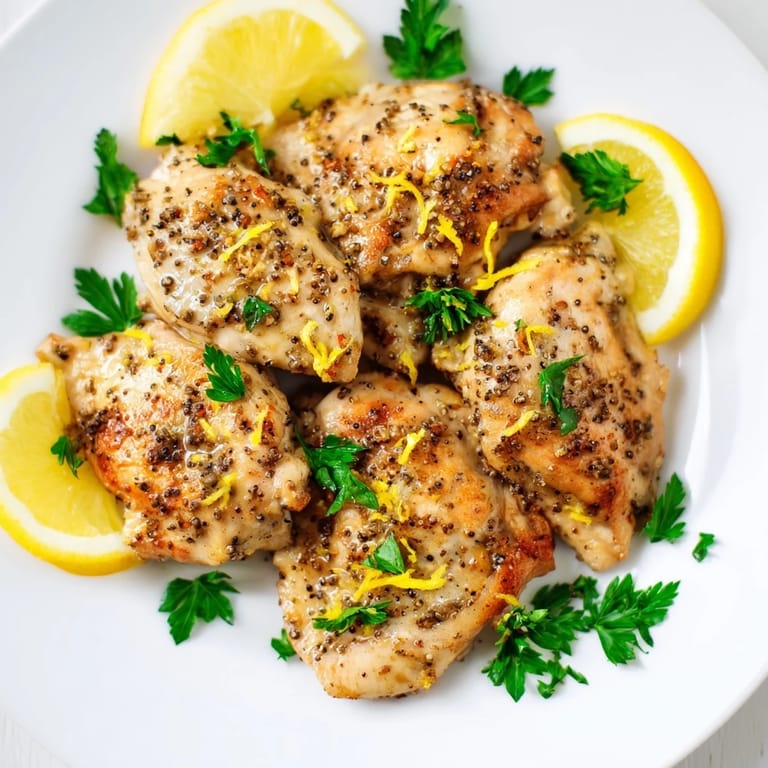
Save There's something about the smell of lemon and cracked pepper hitting a hot pan that just stops you mid-morning. I discovered this dish on a Tuesday when I had chicken breasts staring at me from the fridge and nothing but what seemed like half-empty jars in my pantry. A squeeze of lemon, the vigorous grinding of fresh pepper, and suddenly I was cooking something that tasted like I'd actually planned it. It's become my go-to when I need dinner to feel special without the fuss.
I made this for my sister last spring when she was going through a diet phase and actually wanted something that tasted good. She ate two helpings and finally stopped mid-bite to ask what I'd done differently. It wasn't different—it was just honest, good ingredients treated simply. That moment made me realize some of the best meals aren't complicated, they're just intentional.
Ingredients
- Boneless, skinless chicken breasts (about 600 g): Four pieces give you dinner for most households; they're lean and ready to absorb the bright flavors of the marinade without needing hours to sit.
- Olive oil: Two tablespoons create the base of your marinade and help the seasonings cling to every surface of the chicken.
- Freshly cracked black pepper: A full tablespoon might sound bold, but don't back down—it's the star here, and pre-ground pepper never quite captures what fresh cracks deliver.
- Sea salt: A teaspoon balances the tartness of the lemon and lets the pepper shine without becoming one-dimensional.
- Lemon zest and juice: The zest gives you little bursts of intensity, while the juice brightens the entire dish and helps tenderize the chicken as it sits.
- Garlic cloves, minced: Two cloves add warmth and earthiness that prevents the dish from tasting too sharp or one-note.
- Fresh parsley and lemon wedges: The optional garnish isn't really optional if you want it to look like you care—and the wedges let people adjust the tartness to their preference.
Tired of Takeout? 🥡
Get 10 meals you can make faster than delivery arrives. Seriously.
One email. No spam. Unsubscribe anytime.
Instructions
- Dry your chicken with purpose:
- Pat those breasts dry with paper towels like you mean it. Any moisture sitting on the surface will steam rather than sear, and you want that beautiful golden exterior.
- Build your marinade:
- In a large bowl, whisk the olive oil, black pepper, salt, lemon zest, juice, and garlic together until it smells irresistible. This should take about a minute, and you'll notice how the pepper floats through the oil like it belongs there.
- Coat and wait:
- Toss the chicken in that mixture until every piece glistens, then set it aside for 10 to 15 minutes. This isn't wasted time—it's when you can get your oven heating or pan ready without rushing.
- Choose your path—roasting:
- If roasting, slide your chicken onto a parchment-lined baking sheet and into a 200°C (400°F) oven for 20 to 25 minutes. You'll know it's done when an instant-read thermometer hits 74°C (165°F) and the edges are touched with golden brown.
- Or sear it instead:
- Heat your skillet over medium-high heat with a drizzle of oil, then place the chicken in with a satisfying sizzle. Cook 5 to 7 minutes per side until the surface is golden and the center is cooked through—the sound and smell will tell you when you're getting close.
- Let it rest, then serve:
- Five minutes of rest means the juices redistribute instead of running all over your plate. Finish with a scatter of parsley and a lemon wedge on the side.
 Save
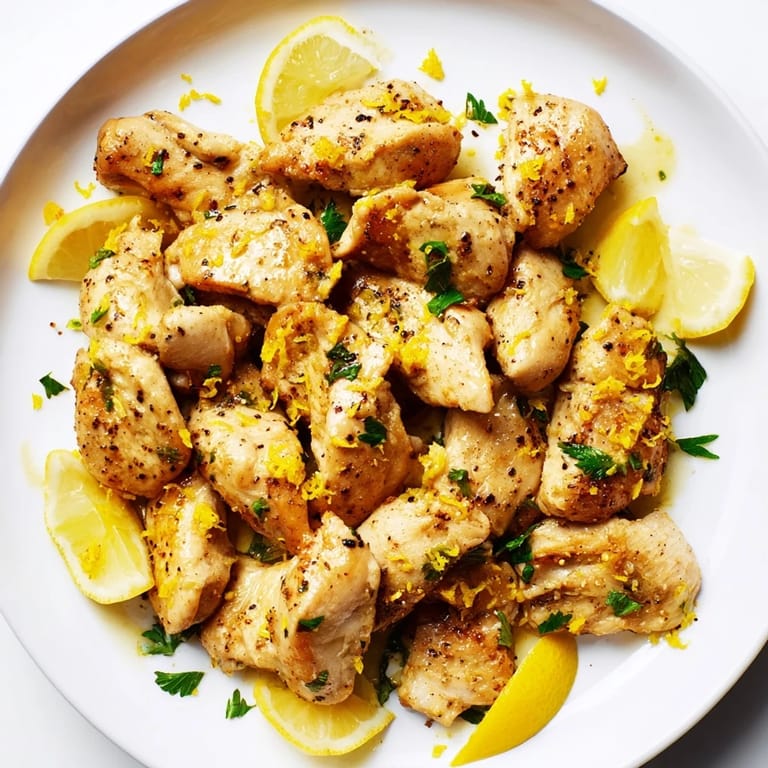
Save The first time I served this to someone who said they didn't like lemon, I watched them take a bite and visibly relax. It wasn't that they suddenly loved lemon—it was that they tasted how it could work without overwhelming everything else. That's when food becomes more than sustenance; it becomes a small conversation without words.
When to Roast Versus Pan-Sear
Roasting gives you a hands-off approach where you can set a timer and step away, which is perfect on busy nights or when you're cooking for a group. Pan-searing demands your attention but rewards it with a deeper crust and that irresistible sizzle that fills your kitchen. There's no wrong choice—it depends on what kind of evening you're having.
Variations That Actually Matter
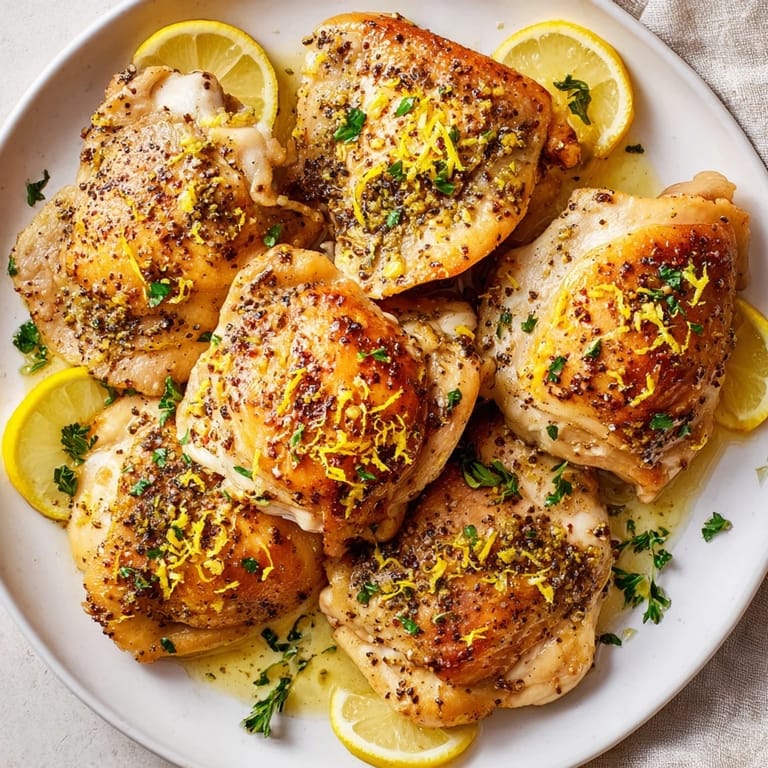
Adding a teaspoon of dried oregano or thyme to the marinade shifts the flavor toward Mediterranean, and I've done it enough times that I can't remember which version I prefer. Swapping in boneless thighs instead of breasts gives you a juicier result because thighs have more fat to work with, though they'll need another few minutes in the oven. The base recipe is forgiving enough to let you play without ruining anything.
What Makes This Come Together
This dish works because lemon and pepper are partners—one's bright, one's bold, and together they just make sense. The garlic fills in the warmth, the salt brings focus, and the olive oil ties everything into something that doesn't feel like you rushed it. Serve it with roasted vegetables or a crisp salad, and you have a meal that feels complete without exhausting you.
- If your chicken breasts are particularly thick, slice them horizontally before marinating to even out the cooking time.
- A squeeze of fresh lemon juice over the finished dish right before eating brings everything back to life.
- Leftovers are excellent chopped into salads the next day, so don't hesitate to make extra.
 Save
Save This is the kind of dinner that proves you don't need complicated technique or a long list of rare ingredients to cook something worth remembering. It's just one of those meals that makes sense and tastes honest, every single time.
Recipe FAQs
- → What cooking methods work best for this dish?
Both roasting at 400°F and pan-searing over medium-high heat yield tender, flavorful chicken with a juicy texture.
- → Can I substitute chicken breasts with other cuts?
Yes, boneless thighs can be used for a moister and richer result while maintaining the same seasonings.
- → How long should the chicken marinate?
Allow the chicken to marinate for 10 to 15 minutes to absorb the lemon and pepper flavors fully before cooking.
- → What garnishes complement this dish well?
Chopped fresh parsley and lemon wedges are ideal for enhancing the brightness and presentation.
- → Are there optional herbs to enhance the flavor?
Adding dried oregano or thyme to the marinade can deepen the herbal notes and enrich the overall taste.